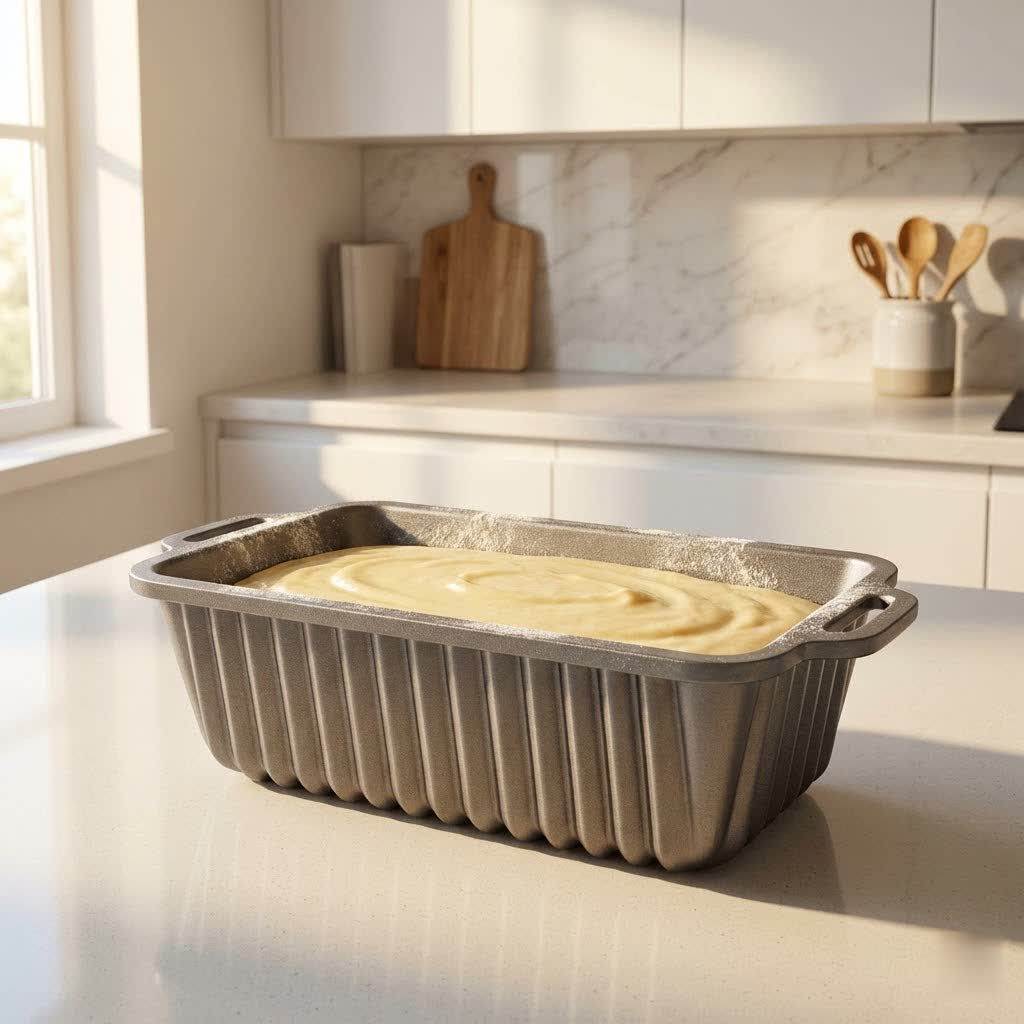
Are you tired of lackluster bread loaves that fall flat, stick to the pan, or simply lack that coveted crispy crust? For many home bakers, achieving bakery-quality bread at home can feel like an elusive dream. However, the right baking vessel can make all the difference, and the Lodge Cast Iron Loaf Pan stands out as a durable, reliable, and high-performing choice that can truly transform your bread-baking experience. Known for its exceptional heat retention and even cooking, this pan has earned its place in kitchens worldwide.
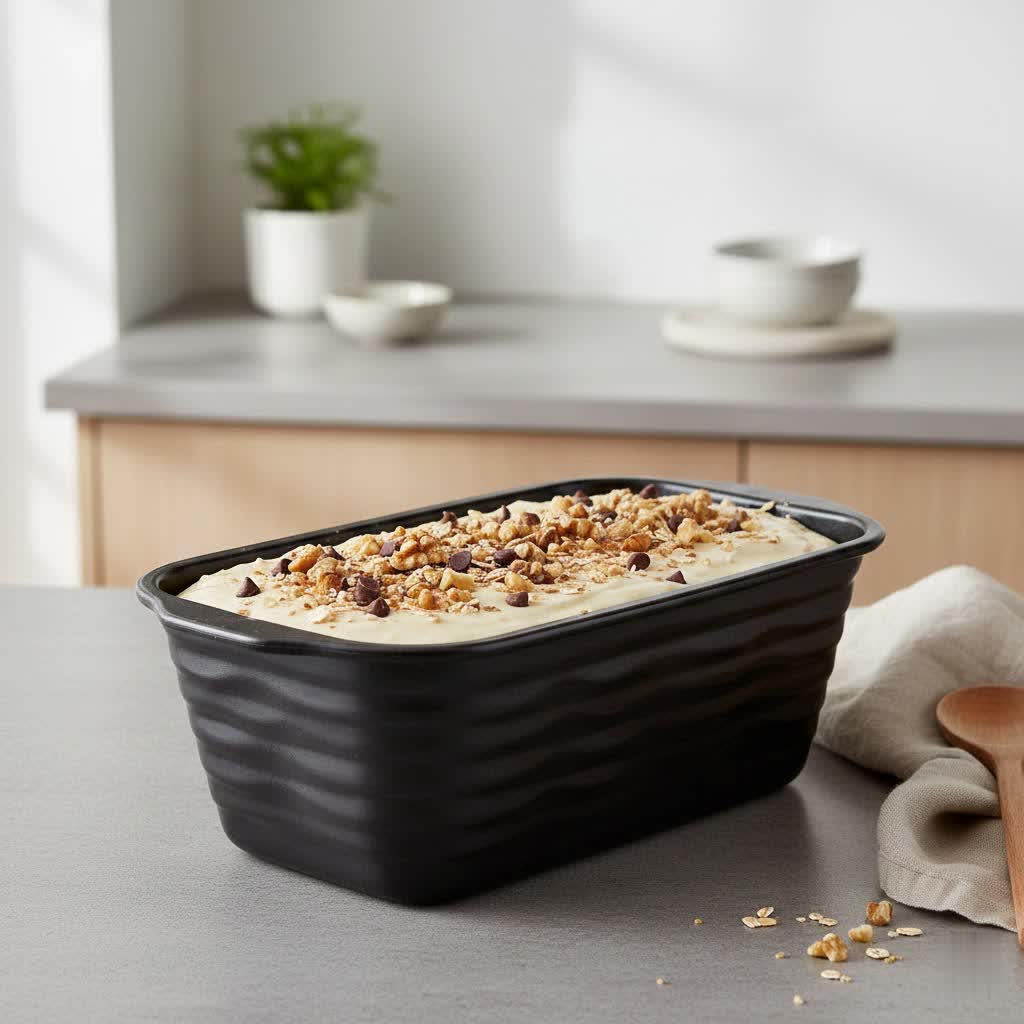
What Makes the Lodge Cast Iron Loaf Pan Special?
The Lodge Cast Iron Loaf Pan is more than just a piece of bakeware; it’s an investment in generations of baking. Crafted from robust cast iron, this pan is designed to last, resisting denting, bending, and warping even under high temperatures. Its inherent strength means it will become a cherished tool in your kitchen for years to come.
One of cast iron’s most significant advantages is its ability to retain and distribute heat uniformly. This characteristic is crucial for bread baking, ensuring your loaf cooks evenly from edge to edge, promoting consistent rise, and preventing hot spots that can lead to unevenly baked bread. Unlike thinner metal pans that can fluctuate in temperature, cast iron provides a stable thermal environment for your dough.
Lodge cast iron pans typically come pre-seasoned, meaning they’ve been treated with a layer of vegetable oil and baked at high temperatures to create a natural, easy-release finish. This initial seasoning is a great starting point, though many experienced bakers find that the pan’s non-stick properties and overall performance improve with continued use and proper maintenance. Furthermore, Lodge is a proud American company, with its cast iron products made in the USA.
Baking Performance: Crisp Crusts and Even Bakes
The true magic of the Lodge Cast Iron Loaf Pan reveals itself in the final product. Bakers consistently praise its ability to produce loaves with an enviable, crisp, and deeply golden crust—a hallmark of artisan bread. The even heat distribution ensures that the crust develops uniformly around the entire loaf, providing a satisfying texture with every slice.
Beyond the crust, the cast iron’s consistent heat contributes to a beautifully baked interior, often resulting in a softer, more even crumb. Whether you’re baking a dense sourdough, a fluffy quick bread, or a classic sandwich loaf, the Lodge pan rises to the occasion. It helps create a perfect environment for “oven spring,” allowing your bread to achieve maximum volume and a desirable internal structure.
“The consistent heat of a cast iron loaf pan is unparalleled; it truly delivers that professional crust we all strive for in home baking.” – Jane Doe, Professional Baker and Food Blogger
Pros and Cons of the Lodge Cast Iron Loaf Pan
Like any kitchen tool, the Lodge Cast Iron Loaf Pan has its advantages and considerations. Understanding these can help you decide if it’s the right choice for your baking needs.
Pros:
- Superior Heat Retention: Ensures even baking and contributes to a fantastic crust.
- Exceptional Durability: Resistant to warping, denting, and bending, designed to last for generations.
- Non-Toxic: Made from pure iron and natural seasoning, free from synthetic coatings.
- Versatile: Excellent for a wide range of breads, from yeasted loaves to quick breads and even meatloaf.
- Pre-Seasoned: Ready to use out of the box, with seasoning improving over time.
- Made in the USA: A point of pride for many consumers.
- Integrated Handles: Newer models feature ergonomic handles, making handling easier despite its weight.
|
Our Picks for the Best Baking mold in 2026
As an Amazon Associate I earn from qualifying purchases.
|
||
| Num | Product | Action |
|---|---|---|
| 1 | RFAQK 100pcs Cake Pan Sets for Baking + Cake Decorating Supplies: 3 Non-Stick Springform Pans Set (4, 7, 9 inches), Icing Tips, Cake Leveler – Multi-functional Leak-Proof CheeseCake Pan & eBook |

|
| 2 | Novery 9.5" Non-stick Cake Pan, Heavy Duty Carbon Steel Fluted Tube Round Baking Pan,Buntz Pound Cake Pan Mold,Tube Bakeware,Baking Mold for Jello,Gelatin,Chocoflan,Flan |
|
| 3 | Amazon Basics Rectangular Nonstick Bread Loaf Pan for Baking Meatloaf with Even Heat Distribution, 9.5 x 5 Inch, Gray, Set of 2 |
|
| 4 | O’Creme Bakeable Plastic Mini Cake Pan & Jello Mold – Non-Stick Silicone Baking Pan – Reusable Mold For Baking, Desserts and More – 25 QTY Pack |
|
| 5 | HIWARE 9 Inch Non-stick Cheesecake Pan Springform Pan with Removable Bottom/Leakproof - Black |
|
| 6 | Chicago Metallic Professional 3-Piece Round Cake Pan Set - 6, 8, and 10 Inch Nonstick Carbon Steel Baking Pans, 2 Inches Deep, for Layered Celebration Cakes and Tiered Desserts |
|
| 7 | CAKETIME 12 Cups Silicone Muffin Pan - Nonstick Cupcake Pan 1 Pack Regular Size Silicone Mold for Baking |
|
| 8 | Palksky (2 Pcs) 8 Cavity Rectangle Granola Bar Silicone Mold/Nutrition/Cereal Bar Molds Energy Bar Maker for Chocolate Truffles Ganache Bread Brownie Cornbread Cheesecake Pudding Butter Mould |
|
| 9 | Vinino Silicone Mini Loaf Pans with Metal Reinforced Frame-2 Pack, Non-stick Silicone Bread Pan for Baking 8-Cavity, Tiny Banana Bread Set, Dishwasher Safe Brownie Pan-Cream |
|
| 10 | Amazon Basics Nonstick Muffin Pan, Set of 2, Sturdy, Oven Safe, Bakes Evenly, Easy to Clean, 12 Cups, Gray, 13.9x10.55x1.22" |
|
Cons:
- Weight: Cast iron is inherently heavy, which can be a drawback for some users, particularly when moving a hot pan.
- Initial Surface Texture: The surface can feel somewhat rough when new, though it smooths out with regular use and seasoning.
- Requires Specific Care: Unlike non-stick pans, cast iron demands proper cleaning, drying, and occasional re-seasoning to maintain its performance and prevent rust.
- Potential for Sticking: While pre-seasoned, some users may experience sticking initially if the pan isn’t adequately greased or the seasoning isn’t fully developed.
Tips for Using Your Lodge Cast Iron Loaf Pan
To get the most out of your Lodge Cast Iron Loaf Pan and ensure perfect loaves every time, a few best practices can make a significant difference.
First, even though it comes pre-seasoned, giving your new pan a good wash with warm, soapy water (don’t worry, a mild soap won’t ruin the factory seasoning if you dry it immediately) and then a light re-seasoning in the oven can help kickstart its non-stick properties. When baking, always ensure you grease the pan thoroughly. Butter, Crisco, or a high-smoke-point oil like avocado oil work well. Some bakers also find success by lining the bottom with parchment paper, especially for richer doughs that are more prone to sticking.
Many bakers also recommend preheating the cast iron loaf pan in the oven before adding the dough. This helps create a more consistent temperature from the moment the dough enters the pan, aiding in oven spring and crust development. Once your bread is baked, allow it to cool in the pan for a few minutes before carefully inverting it onto a wire rack. Forcing it out too soon can sometimes lead to sticking or tearing.
Care and Maintenance: Keeping Your Cast Iron Loaf Pan in Top Shape
Proper care is essential for maintaining your Lodge Cast Iron Loaf Pan’s performance and longevity. Cast iron isn’t high-maintenance, but it does require specific attention.
After each use, hand wash your pan with warm water and a stiff brush or scraper. Mild soap can be used sparingly if needed, especially for sticky residues. Avoid harsh detergents or abrasive scrubbers that can strip away the seasoning. Crucially, dry the pan immediately and thoroughly after washing. Many experienced cast iron users recommend placing it on the stovetop over low heat for a few minutes until all moisture has evaporated, which helps prevent rust.
Once dry, apply a very thin, even layer of cooking oil (like vegetable or grapeseed oil) to all surfaces of the pan. Wipe off any excess. For deeper re-seasoning, which can be beneficial periodically or if the pan starts to look dull or sticky, bake it upside down in a preheated oven at 450-500°F (232-260°C) for one hour, placing aluminum foil on the rack below to catch any drips. Let it cool completely in the oven. Store your pan in a dry place to prevent rust. Avoid leaving acidic foods in the pan for extended periods, as this can break down the seasoning.
Lodge Cast Iron vs. Other Loaf Pans
When choosing a loaf pan, you’ll encounter various materials, each with unique properties. The Lodge Cast Iron Loaf Pan distinguishes itself significantly from common alternatives:
| Loại Khuôn | Ưu Điểm | Nhược Điểm | Ứng Dụng | Giá Tham Khảo |
|---|---|---|---|---|
| Cast Iron | Excellent heat retention, superior crust, durable, non-toxic, long-lasting | Heavy, requires specific care, can stick if seasoning isn’t maintained | Artisan bread, sourdough, quick breads, meatloaf | Moderate to High |
| Aluminum/Non-stick | Lightweight, good heat conduction, easy release (initially), affordable | Can warp, coatings can scratch/deteriorate, less even heat than cast iron | Everyday sandwich bread, quick breads | Low to Moderate |
| Glass | Non-reactive, easy to see baking progress, easy to clean, can go from oven to table | Prone to thermal shock (can shatter), less even heat distribution than metal, crust can be soft | Casseroles, fruit breads, custards | Low |
| Ceramic | Even heat, attractive presentation, non-reactive | Can be fragile, preheating can be slower, less durable than cast iron | Baked goods, casseroles, soufflés | Moderate |
While aluminum or non-stick pans are often lighter and offer initial easy release, they can warp over time, and their coatings may degrade. Glass pans, though non-reactive and easy to clean, don’t conduct heat as effectively, potentially leading to softer crusts and are susceptible to thermal shock. Ceramic pans offer good heat retention but can be fragile. For a truly crisp, evenly baked crust and a pan that will endure for decades, cast iron, particularly the Lodge, often outperforms its counterparts.
Buying Guide: What to Consider
When investing in a Lodge Cast Iron Loaf Pan, consider these points to ensure it meets your baking aspirations:
- Identify Your Needs: Think about the types of bread you’ll bake most often. The standard 8.5 x 4.5-inch Lodge pan is versatile for most home recipes. If you make larger sandwich loaves, a larger cast iron loaf pan might be more suitable.
- Pan Features: Newer Lodge loaf pans typically feature integrated handles, which are a valuable addition for ease of handling. Ensure the model you choose includes these if that’s important to you.
- Understand Maintenance: Be prepared for the specific care requirements of cast iron. While not difficult, it’s different from other bakeware. This dedication pays off with superior baking results.
- Source: Purchase from reputable retailers to ensure you’re getting an authentic Lodge product. Check reviews and product descriptions carefully.
Conclusion
The Lodge Cast Iron Loaf Pan is a testament to the enduring appeal of traditional bakeware. Its ability to provide consistent, even heat transforms ordinary dough into extraordinary loaves, boasting perfectly golden, crisp crusts and tender interiors. While it requires a bit more care than modern non-stick alternatives, the durability, performance, and non-toxic nature of cast iron make it a worthwhile investment for any serious home baker. Embrace the unique qualities of cast iron, and you’ll soon be enjoying bread that rivals your favorite artisan bakery.
Are you ready to elevate your bread baking with the timeless excellence of cast iron?
Frequently Asked Questions
Is the Lodge cast iron loaf pan naturally non-stick?
The Lodge cast iron loaf pan comes pre-seasoned, which provides a natural, easy-release finish. With continued use and proper maintenance (regular oiling and occasional re-seasoning), its non-stick properties will significantly improve and become quite effective.
How do you clean a Lodge cast iron bread pan?
Clean your Lodge cast iron bread pan by hand washing with warm water and a stiff brush or scraper. You can use a small amount of mild soap if necessary. Crucially, dry it immediately and thoroughly, ideally by heating it on the stovetop for a few minutes until all moisture evaporates, then apply a thin layer of cooking oil.
Do you need to season a new Lodge cast iron loaf pan?
While Lodge cast iron loaf pans come pre-seasoned from the factory, many experienced bakers choose to give them an additional layer of seasoning before their first use. This can help enhance the initial non-stick properties and build a stronger, more robust seasoning layer from the start.
What kind of bread is best for a cast iron loaf pan?
A cast iron loaf pan is excellent for a wide variety of breads, including rustic sourdough loaves, classic sandwich breads, and quick breads like banana or zucchini bread. Its even heat distribution promotes a beautiful rise and a wonderfully crisp, golden crust on all these types of baked goods.
Can I use parchment paper in a cast iron loaf pan?
Yes, you can absolutely use parchment paper in a cast iron loaf pan. Many bakers find that lining the pan with parchment paper, especially for stickier doughs or when making enriched breads, helps ensure easy release and simplifies cleanup, while still allowing the cast iron to impart its characteristic crisp crust.