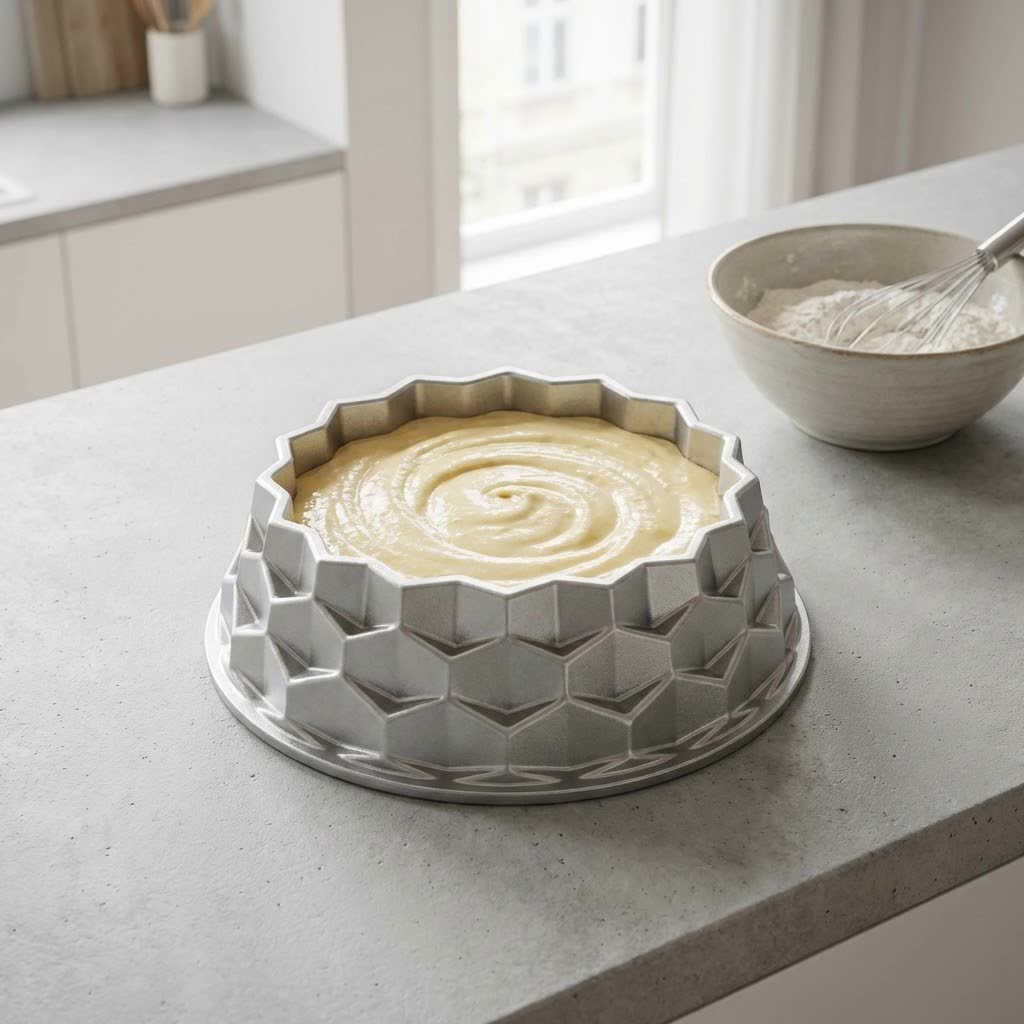
Baking often brings joy, but few things are more disheartening than pulling a beautiful cheesecake or delicate custard from the oven, only to find a soggy crust or a sticky mess in your water bath. The culprit? A leaking springform pan. As an experienced technician who has worked with countless baking molds for over a decade, I understand this common frustration. Fortunately, a simple solution often lies right in your kitchen drawer: aluminum foil. This guide will walk you through effectively using foil to prevent leaks and ensure your baked goods turn out perfectly every time.
Why Your Springform Pan Leaks: Understanding the Problem
Springform pans are beloved for their convenience, allowing you to easily release delicate cakes without inverting them. However, their two-piece design, with a removable bottom and an expandable ring, creates a natural seam that can be prone to leaks. Several factors contribute to this issue:
- Loose Clasp Mechanism: Over time, the clasp that secures the pan’s ring can weaken, preventing a tight seal around the base. A loose clasp is a primary reason for leakage, allowing thin batters or water from a water bath to seep through.
- Pan Age and Wear: Older pans may have slight deformities, dents, or wear along the rim, which compromises the seal. Even minor imperfections can create gaps large enough for liquids to escape.
- Thin Batters: Recipes for cheesecakes, flans, and other custards often have very thin batters that can easily find their way through the smallest imperfections in the pan’s seal.
- Water Bath Baking: This technique, crucial for moisture-rich desserts, increases the risk of leaks significantly. The surrounding water pressure can push liquid into the pan if it’s not adequately sealed, resulting in a waterlogged dessert.
- Poor Quality Construction: Not all springform pans are created equal. Cheaper pans may have looser tolerances or less robust sealing mechanisms from the start, making them more susceptible to leaks.
Understanding these causes is the first step toward effective prevention, especially when employing the reliable foil method.
The Foil Fix: Step-by-Step Guide to Sealing Your Springform Pan
Using aluminum foil is one of the most common and effective ways to prevent leaks from your springform pan, particularly when baking in a water bath. The goal is to create a seamless, watertight barrier around the pan.
Materials You’ll Need:
- Heavy-duty aluminum foil (preferably extra-wide)
- Your springform pan
- Your prepared batter
|
Our Picks for the Best Baking mold in 2026
As an Amazon Associate I earn from qualifying purchases.
|
||
| Num | Product | Action |
|---|---|---|
| 1 | CAKETIME 12 Cups Silicone Muffin Pan - Nonstick Cupcake Pan 1 Pack Regular Size Silicone Mold for Baking |

|
| 2 | Chicago Metallic Professional 3-Piece Round Cake Pan Set - 6, 8, and 10 Inch Nonstick Carbon Steel Baking Pans, 2 Inches Deep, for Layered Celebration Cakes and Tiered Desserts |
|
| 3 | Amazon Basics Rectangular Nonstick Bread Loaf Pan for Baking Meatloaf with Even Heat Distribution, 9.5 x 5 Inch, Gray, Set of 2 |
|
| 4 | Vinino Silicone Mini Loaf Pans with Metal Reinforced Frame-2 Pack, Non-stick Silicone Bread Pan for Baking 8-Cavity, Tiny Banana Bread Set, Dishwasher Safe Brownie Pan-Cream |
|
| 5 | O’Creme Bakeable Plastic Mini Cake Pan & Jello Mold – Non-Stick Silicone Baking Pan – Reusable Mold For Baking, Desserts and More – 25 QTY Pack |
|
| 6 | Palksky (2 Pcs) 8 Cavity Rectangle Granola Bar Silicone Mold/Nutrition/Cereal Bar Molds Energy Bar Maker for Chocolate Truffles Ganache Bread Brownie Cornbread Cheesecake Pudding Butter Mould |
|
| 7 | RFAQK 100pcs Cake Pan Sets for Baking + Cake Decorating Supplies: 3 Non-Stick Springform Pans Set (4, 7, 9 inches), Icing Tips, Cake Leveler – Multi-functional Leak-Proof CheeseCake Pan & eBook |
|
| 8 | HIWARE 9 Inch Non-stick Cheesecake Pan Springform Pan with Removable Bottom/Leakproof - Black |
|
| 9 | Amazon Basics Nonstick Muffin Pan, Set of 2, Sturdy, Oven Safe, Bakes Evenly, Easy to Clean, 12 Cups, Gray, 13.9x10.55x1.22" |
|
| 10 | Novery 9.5" Non-stick Cake Pan, Heavy Duty Carbon Steel Fluted Tube Round Baking Pan,Buntz Pound Cake Pan Mold,Tube Bakeware,Baking Mold for Jello,Gelatin,Chocoflan,Flan |
|
Step-by-Step Application:
- Pre-Assembly Check: Before anything else, assemble your springform pan and ensure the clasp is as tight as possible. Give it a good press to confirm the ring is snug around the base. Wipe the pan edges to remove any crumbs or grease that might hinder a tight seal.
- Prepare Your Foil:
- For Extra-Wide Foil (Recommended): Tear off a generous square or rectangle of heavy-duty, extra-wide foil. It should be large enough to completely cover the bottom and extend well up the sides of your pan, reaching at least an inch or two above the rim. This eliminates seams and offers the best protection.
- For Standard-Width Foil: If you only have standard 12-inch foil, you’ll need two or three sheets. Lay them out, slightly overlapping, and fold the overlapping edges together a few times to create a strong, sealed seam. This effectively creates one larger piece of foil. Ensure these seams are tight to prevent water seepage.
- Position the Pan: Place the assembled springform pan directly in the center of your prepared foil.
- Wrap and Crimp:
- Carefully bring the edges of the foil up around the sides of the pan.
- Press the foil firmly against the sides, working your way around the entire circumference. The key is to crimp and mold the foil tightly against the pan, creating a snug “foil pan” around your springform. Ensure there are no gaps or loose areas, especially around the base and where the ring meets the bottom.
- Fold any excess foil over the top rim of the pan or press it securely against the outer sides.
- Double-Layer Protection (Optional but Recommended): For extra security, especially with thin batters or prolonged water bath baking, repeat the entire process with a second layer of foil. This provides an additional barrier against any potential leaks that might penetrate the first layer.
- Add Your Batter: Once the pan is securely wrapped, you can pour your prepared batter into the pan.
“A common mistake is using too thin or too narrow foil. Always opt for heavy-duty, extra-wide foil to minimize seams and create a robust, leak-proof barrier, especially for delicate recipes baked in a water bath.” – Chef Elena Rodriguez, Pastry Arts Instructor
Beyond Foil: Advanced Leak Prevention Techniques
While foil is a go-to solution, several other methods can enhance leak protection or serve as alternatives, offering even more security for your precious bakes.
1. Parchment Paper Lining
Lining the inside of your springform pan with parchment paper offers a clean, non-stick barrier that can catch any minor seeping batter and prevent it from reaching the outer pan or water bath.
- Bottom Disk: Cut a circle of parchment paper to fit snugly inside the bottom of the pan.
- Side Strip: Cut a long strip of parchment paper, tall enough to extend slightly above the pan’s rim and long enough to wrap around the entire inner circumference. Lightly grease the inside of the pan to help the parchment adhere.
- Assembly: Place the parchment circle on the bottom, then fit the strip around the sides. When you add your batter, it will be contained within this parchment shell.
2. The “Pan-within-a-Pan” Method
This technique provides an impenetrable barrier against water baths. Place your foil-wrapped springform pan inside a slightly larger, solid-sided metal cake pan or pot. Then, place the larger pan (containing your springform) into the water bath. The slight gap between the two pans won’t negate the water bath’s insulating benefits, and the solid outer pan guarantees no water will reach your cheesecake. This is highly recommended by experienced bakers for ultimate peace of mind.
3. Slow Cooker Liners or Turkey Roasting Bags
These heat-resistant bags offer a simple and effective solution.
- Place your assembled springform pan inside a slow cooker liner or turkey roasting bag.
- Gather the excess bag material and tie it securely at the top, well above the rim of the pan. Ensure the bag is sealed completely around the pan.
- Trim any excess bag material if it’s too cumbersome. This creates a waterproof pouch around your pan.
4. Silicone Wraps and Covers
Several brands offer reusable silicone wraps or covers designed specifically for springform pans. These often fit tightly around the base and sides, creating a flexible, heat-resistant seal. They are an eco-friendly and convenient option for frequent bakers.
5. Omitting the Water Bath (When Possible)
While some recipes absolutely require a water bath for texture, many cheesecake recipes can be adapted to bake without one. If cracking is a concern, placing a separate baking dish filled with hot water on the rack below your cheesecake can create humidity without submerging the springform pan. This method, however, may not provide the same gentle, even heat distribution as a direct water bath.
Choosing the Right Foil for the Job
The type of aluminum foil you use can significantly impact the success of your leak-proofing efforts.
| Foil Type | Pros | Cons | Best For |
|---|---|---|---|
| Standard-Duty | Readily available, inexpensive | Thin, prone to tearing, requires multiple layers | Light sealing, minor leak protection |
| Heavy-Duty | More durable, better tear resistance | Can still require multiple layers for water baths | General leak prevention, moderate water baths |
| Extra-Wide | Minimizes seams, covers larger pans easily | Can be harder to find, slightly more expensive | Optimal water bath protection, large pans |
| Commercial Grade | Thickest, most robust, highly durable | Expensive, usually sold in large rolls | Professional use, maximum leak prevention |
For reliable leak prevention, especially with water baths, invest in heavy-duty, extra-wide foil. This reduces the need for multiple layers and overlapping seams, which are often points of weakness.
Springform Pan Maintenance for a Leak-Free Future
Proper care and maintenance can extend the life of your springform pan and help prevent leaks.
- Thorough Cleaning: After each use, disassemble the pan and wash all parts thoroughly. Remove any baked-on food or grease from the rim and grooves of the base, as these residues can interfere with a tight seal.
- Inspect the Clasp: Regularly check the clasp mechanism. If it feels loose, try gently bending it back into shape for a firmer grip, or consult the manufacturer’s instructions for adjustment. A tight clasp is crucial for a good seal.
- Proper Storage: Store your springform pan in a way that prevents it from being bent or dented. Stacking heavy items on top can warp the ring or base, leading to future leaks.
When to Replace Your Springform Pan
Even with the best care, springform pans don’t last forever. Here are signs it might be time for a replacement:
- Visible Dents or Warping: If the pan’s ring or base is visibly bent or no longer sits flat, it’s unlikely to form a tight seal.
- Persistent Leaks: Despite proper foil wrapping and other precautions, if your pan consistently leaks, its structural integrity may be compromised.
- Rusty or Corroded Parts: Rust can weaken the metal and indicate degradation of the pan’s material.
- Loose or Broken Clasp: If the clasp mechanism is severely loose, doesn’t lock securely, or is broken, the pan is no longer functional.
Buying Guide: What to Look for in a Leak-Proof Springform Pan
When it’s time for a new springform pan, choosing wisely can save you a lot of trouble down the line. Here’s what an experienced baker looks for:
- Quality Construction: Look for pans made from durable materials like heavy-gauge carbon steel or anodized aluminum. These materials are less prone to warping and offer better heat distribution.
- Tight-Fitting Clasp: Examine the clasp mechanism. It should feel robust and create a very snug, almost airtight seal when closed. Some high-quality pans feature an extra-wide lip on the bottom for a more secure fit.
- Non-Stick Coating: A good non-stick coating not only helps with cake release but can also contribute to a better seal by filling in microscopic gaps. Look for PFOA-free and durable coatings.
- Consider Silicone Sides with a Glass Bottom: While less traditional, some innovative springform pans feature silicone sides that can offer a superior seal combined with a sturdy glass bottom. These are often explicitly designed to be leak-proof.
- Size and Shape: Choose a size that matches your common baking needs. Standard sizes are 8-inch, 9-inch, and 10-inch.
Baking should be a delightful experience, free from the worry of leaky pans. By understanding why springform pans leak and applying the right techniques—especially the reliable foil method—you can ensure your creations emerge from the oven perfectly every time. Embrace these tips, and you’ll be well on your way to baking confidence. What’s your go-to recipe for a show-stopping cake that relies on a leak-proof springform pan?
Frequently Asked Questions
Can I use plastic wrap instead of foil to prevent springform pan leaks?
While some methods suggest using plastic wrap under foil, it’s generally not recommended as the primary barrier due to potential melting and chemical leaching at high baking temperatures. Foil is designed to withstand oven heat and is a safer, more reliable option for direct contact with the pan, especially in a water bath.
What if my springform pan still leaks even after wrapping it in foil?
If your pan still leaks after being wrapped in foil, the issue might be a very loose clasp, extreme gaps, or tears in the foil. Ensure you’re using heavy-duty, extra-wide foil with multiple layers and that it’s crimped tightly without any seams. Consider the “pan-within-a-pan” method for added security, or it might be time to replace your pan.
Are all springform pans prone to leaking?
Most springform pans, by design, have a seam that can potentially leak, especially when exposed to thin batters or a water bath. However, the degree of leakage varies greatly with the quality of the pan and the tightness of its clasp mechanism. High-quality pans are designed to minimize this issue.
Why do some recipes require a water bath for cheesecakes?
A water bath provides a moist, even, and gentle heat environment, which is crucial for delicate custards and cheesecakes. This prevents the edges from cooking too quickly and cracking, ensuring a smooth, creamy texture and a perfectly set center. Without it, cheesecakes can often dry out and crack.
Can I reuse the foil I wrapped around my springform pan?
While you technically can, it’s generally not recommended for leak-proofing purposes. The foil gets crimped and molded tightly to the pan, and re-using it can compromise its structural integrity, making it less effective at creating a watertight seal. For best results, use fresh foil each time.
What is the ideal temperature for baking with a foil-wrapped springform pan?
The ideal temperature depends on your specific recipe, not the foil itself. The foil’s purpose is to prevent leaks, not to alter baking temperature. Always follow the temperature specified in your recipe for the best results, ensuring the foil can withstand those temperatures, which standard aluminum foil is designed to do.