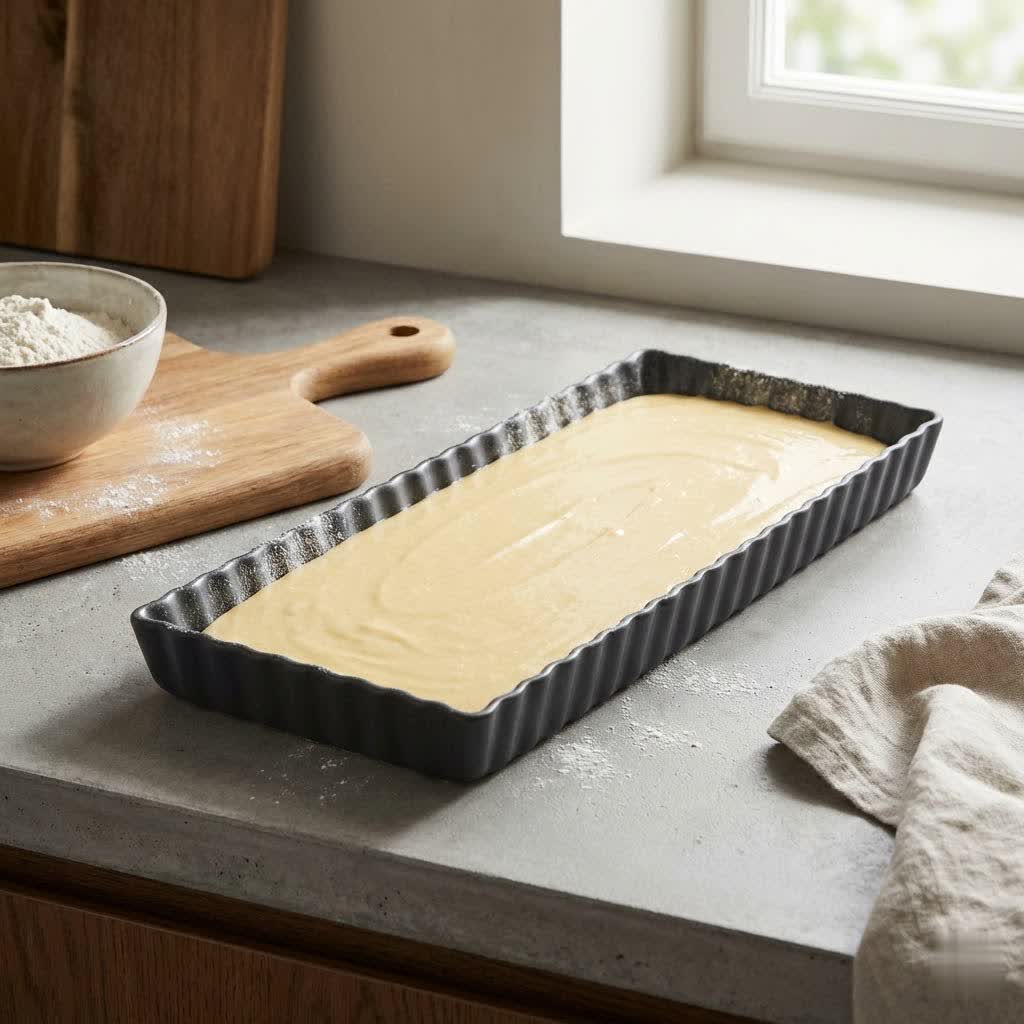
Are you tired of unevenly baked cakes, warped cookie sheets, or flimsy pans that just don’t stand the test of time? For any passionate baker, the quest for perfection often leads to a crucial question: what makes a truly great baking pan? The answer, more often than not, lies in the material and its thickness, particularly heavy gauge aluminum. Investing in heavy gauge aluminum pans is not just a purchase; it’s a commitment to superior baking results, unparalleled durability, and long-term value that transforms your culinary journey.
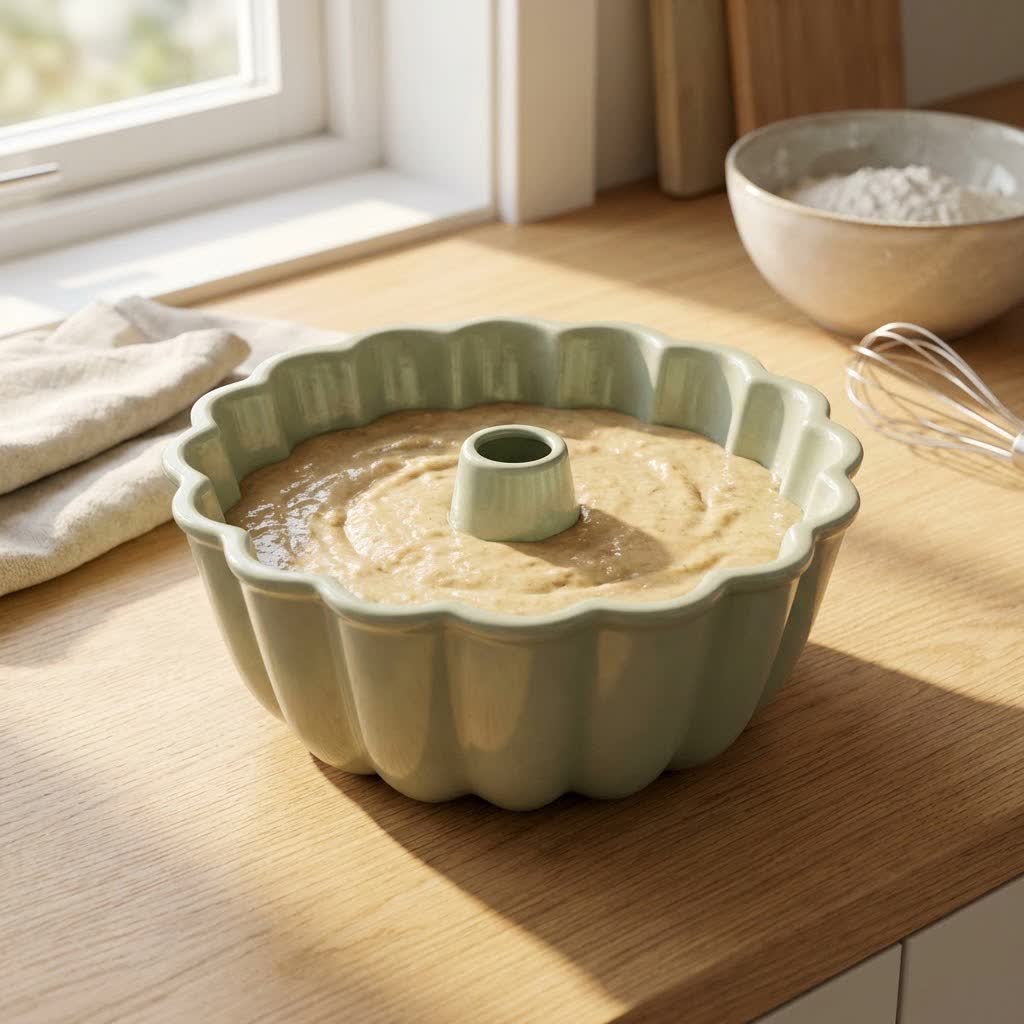
At the heart of exceptional bakeware is the material itself. Aluminum stands out as a top choice for baking due to its remarkable thermal conductivity, meaning it heats up quickly and distributes that heat efficiently across its entire surface. This property is amplified in heavy gauge aluminum, which refers to the thickness of the metal. Unlike thinner, lighter pans that can buckle under heat or lead to inconsistent browning, heavy gauge aluminum pans offer a robust foundation for all your baking endeavors. They resist warping and denting, ensuring your cakes rise evenly and your cookies bake to golden perfection every time. The distinction often extends to anodized aluminum, a specialized form where the natural aluminum surface is hardened and made non-reactive through an electrochemical process, creating an even more durable and versatile baking surface.
Understanding Heavy Gauge Aluminum Bakeware
Heavy gauge aluminum refers to baking pans made from thicker sheets of aluminum, typically indicated by a lower gauge number (e.g., 16-gauge is thicker than 22-gauge). This increased thickness is paramount to the pan’s performance and longevity. Thinner pans are prone to warping at high temperatures, which can lead to irregularly shaped baked goods and uneven cooking. The added mass of heavy gauge aluminum ensures the pan maintains its shape, distributing heat more uniformly and preventing hot spots that can scorch delicate batters.
Furthermore, it’s essential to differentiate between standard aluminum and anodized aluminum. Conventional aluminum, while an excellent heat conductor, can sometimes react with acidic ingredients like lemons, vinegar, or certain fruits, potentially imparting a metallic taste to your food or discoloring the pan. Anodized aluminum addresses this concern. Through a process that hardens and seals the surface, anodized bakeware becomes non-reactive, creating a protective layer that is three times harder than conventional aluminum. This makes it highly resistant to scratches, corrosion, and the effects of acidic foods, ensuring pure flavors and a pan that lasts a lifetime.
The Unmatched Benefits of Heavy Gauge Aluminum Pans
The slightly higher initial cost of heavy gauge aluminum pans is easily justified by a host of performance and durability benefits that elevate your baking from good to extraordinary.
Superior Heat Conductivity and Even Baking
Table is empty.Aluminum is renowned for its excellent thermal conductivity. Heavy gauge aluminum pans capitalize on this, ensuring heat spreads rapidly and consistently across the entire pan surface. This eliminates hot spots, which are common culprits behind unevenly baked goods—think burnt edges and raw centers. With a heavy gauge pan, every part of your cake, cookie, or casserole receives the same amount of heat, promoting a uniform rise and consistent browning.
Exceptional Durability and Longevity
One of the most compelling reasons to invest in heavy gauge aluminum is its impressive durability. These pans are built to withstand the rigors of frequent use in high-temperature ovens. Their substantial thickness makes them significantly more resistant to warping, twisting, and denting, issues that plague thinner, cheaper alternatives. A well-maintained heavy gauge aluminum pan can last for decades, becoming a trusted staple in your kitchen.
Resistance to Warping and Hot Spots
The frustration of pulling a misshapen cake or a tray of unevenly baked cookies from the oven is familiar to many bakers. Warping occurs when thin metal expands and contracts unevenly under intense heat. Heavy gauge aluminum’s inherent rigidity and mass effectively combat this. This stability ensures that the pan retains its original shape, guaranteeing perfectly formed baked goods and reliable performance, batch after batch.
Consistent Baking Results Every Time
Consistency is the hallmark of a skilled baker. Heavy gauge aluminum pans contribute significantly to achieving repeatable, high-quality results. By providing even heat distribution and resisting temperature fluctuations, these pans ensure that batters cook uniformly, crusts brown perfectly, and delicate textures are preserved. This reliability builds confidence and allows you to focus on the artistry of your baking.
Non-Reactive Properties (Especially Anodized)
For those who frequently bake with acidic ingredients, anodized heavy gauge aluminum is a game-changer. The sealed, hardened surface prevents any chemical reaction between the aluminum and acidic foods. This means no metallic off-flavors leaching into your lemon bars, fruit tarts, or tomato-based savory bakes. It preserves the true taste and color of your ingredients, making for a purer, more delightful culinary experience.
Long-Term Cost-Effectiveness
While the upfront price of heavy gauge aluminum bakeware may be higher than its thin counterparts, consider it a wise, long-term investment. Its superior durability and resistance to damage mean you won’t need to replace your pans frequently. The consistent, excellent results also mean fewer baking failures, saving you money on wasted ingredients. Over the years, the initial investment pays for itself many times over in reliability, performance, and peace of mind.
Heavy Gauge Aluminum vs. Other Bakeware Materials
Understanding how heavy gauge aluminum stacks up against other common bakeware materials highlights its unique advantages, particularly for consistent and quality baking.
| Type of Bakeware | Key Advantages | Key Disadvantages | Ideal Applications | Price Range |
|---|---|---|---|---|
| Heavy Gauge Aluminum | Excellent heat conductivity, even baking, highly durable, warp-resistant, non-reactive (anodized) | Can be more expensive initially than thin aluminum, not ideal for highly acidic foods unless anodized | Cakes, cookies, brownies, roasting, casseroles, bread | Mid-range to High |
| Thin Aluminum | Lightweight, inexpensive, good heat conductivity | Prone to warping, less durable, uneven baking, can react with acidic foods | Disposable applications, budget-conscious occasional baking | Low |
| Stainless Steel | Highly durable, non-reactive, easy to clean | Poor heat conductor (prone to hot spots), can result in uneven baking | Roasting, general oven use (less ideal for delicate baking) | Mid-range |
| Glass | Non-reactive, retains heat well (after heating), aesthetic for serving, allows visibility of baking | Poor heat conductor (slow to heat up), can cause over-browning on edges, susceptible to thermal shock, heavy | Casseroles, pies, bread puddings, dishes that benefit from slow, even heat retention | Low to Mid-range |
| Silicone | Non-stick, flexible, easy to store | Doesn’t brown well (especially low sugar/fat items), can be flimsy, may absorb odors over time | Muffins, cupcakes, flexible molds for intricate shapes, certain delicate desserts | Low to Mid-range |
Heavy gauge aluminum excels in baking where even heat and structural integrity are crucial. While stainless steel is durable, its poor heat conductivity can lead to uneven results for sensitive baked goods. Glass pans retain heat for a long time, which can overcook edges before the center is done, and silicone often struggles with browning. For professional-level results and longevity, heavy gauge, especially anodized, aluminum stands as a top contender.
Investing in Quality: What to Look for in Heavy Gauge Aluminum Pans
When you’re ready to upgrade your bakeware, knowing what to look for will ensure you make a smart investment.
- Gauge Thickness: The lower the gauge number, the thicker the pan. For optimal performance and durability, aim for pans in the 10 to 18 gauge range. These will offer the best resistance to warping and provide superior heat distribution.
- Anodized Finish: If you frequently bake with acidic ingredients or simply want the most durable, non-reactive, and easy-to-clean option, prioritize anodized aluminum. This finish also contributes to a naturally smoother, slightly more non-stick surface without the need for chemical coatings.
- Sturdy Construction and Handles: Examine the pan’s overall build. Look for seamless construction, rolled edges for added strength, and if applicable, sturdy, heat-resistant handles that are securely attached. These details contribute to the pan’s longevity and ease of use.
- Brand Reputation: Established brands known for their professional-grade bakeware often invest in high-quality materials and manufacturing processes. Researching reputable brands can provide assurance of quality and performance.
Caring for Your Heavy Gauge Aluminum Bakeware
Proper care ensures your heavy gauge aluminum pans remain in pristine condition for years, delivering consistent baking excellence.
Cleaning Tips:
For most heavy gauge aluminum pans, especially anodized ones, cleaning is straightforward.
- Cool Down: Always allow the pan to cool completely before washing to prevent thermal shock, which can still occur with some metals, and to make cleanup easier.
- Warm, Soapy Water: Wash with warm water and a mild dish soap.
- Soft Sponge or Cloth: Use a soft sponge, cloth, or non-abrasive brush to gently remove food residue. Abrasive scrubbers, steel wool, or harsh detergents can damage the surface, particularly on non-anodized or coated pans.
- Avoid Harsh Chemicals: Do not use oven cleaners or strong chemical cleaners, as they can strip the anodized layer or damage the aluminum.
- Hand Wash Recommended: While some anodized aluminum pans are technically dishwasher safe, handwashing is generally recommended to preserve the finish and extend the life of your bakeware. High-heat dishwasher cycles and harsh detergents can dull the finish over time.
- Dry Thoroughly: Ensure the pan is completely dry before storing to prevent water spots or oxidation.
Seasoning:
Traditional (non-anodized) aluminum pans can benefit from seasoning, similar to cast iron, to create a natural non-stick surface. This involves baking a thin layer of oil onto the pan. However, many modern heavy gauge aluminum pans, especially anodized or those with non-stick coatings, do not require seasoning. Always check the manufacturer’s instructions.
Storage:
Store pans in a way that prevents scratching. If stacking, place a sheet of parchment paper, a soft cloth, or pan protectors between each pan.
Are Heavy Gauge Aluminum Pans Right for You?
Heavy gauge aluminum pans are an excellent choice for a wide range of bakers:
- The Serious Home Baker: If you bake frequently and demand consistent, high-quality results, the durability and even heat distribution will elevate your craft.
- Professional Bakers: For those in commercial settings, the warp resistance and robustness are essential for heavy use and longevity.
- Anyone Tired of Replacing Bakeware: If you’re fed up with constantly buying new pans due to warping or poor performance, the long-term investment in heavy gauge aluminum will save you time, money, and frustration.
- Bakers of Delicate Goods: For cakes, cookies, and pastries where even browning and a uniform rise are critical, these pans deliver superior control.
“For consistent baking outcomes, the gauge of your aluminum pan is as crucial as your ingredients. It dictates how your masterpiece holds up to heat.” – Chef Elena Petrova, Master Pâtissière
Buying Guide
Choosing the perfect heavy gauge aluminum pan involves a few considerations to match your baking aspirations.
- Clearly Define Your Baking Needs: What types of baked goods do you plan to make most often? Are you baking large sheet cakes, delicate muffins, or roasting vegetables? The specific application will guide your choice of pan size and shape. Consider how often you bake and if you need professional-grade durability for high-volume use.
- Select the Right Material and Finish: While all heavy gauge aluminum offers benefits, prioritize anodized aluminum for its enhanced durability, scratch resistance, and non-reactive surface. This is particularly important if your recipes often include acidic ingredients. For general baking, a high-quality non-anodized heavy gauge aluminum can also perform beautifully.
- Inspect for Quality and Safety: Ensure the pan is made from food-safe materials, ideally without harmful chemical coatings (which anodized aluminum naturally avoids). Look for seamless construction, smooth finishes, and a substantial weight that indicates its heavy gauge. Reputable brands will often have certifications for their bakeware.
- Prioritize User-Friendly Design: Look for features that enhance usability, such as rolled edges for easy handling and added strength. If the pan has handles, ensure they are sturdy and comfortable to grip, even when wearing oven mitts. Pans with slightly tapered edges can also facilitate easier removal of baked goods.
- Evaluate Brand Reputation and Price: Invest in pans from well-regarded brands known for their bakeware quality. While heavy gauge aluminum pans might have a higher initial price point, compare options across different retailers to find a balance between quality and value. Remember, a higher price often reflects superior materials and craftsmanship, leading to a product that performs better and lasts longer.
Conclusion
The journey to becoming a confident, successful baker is paved with many choices, and selecting the right tools is paramount. Heavy gauge aluminum pans, especially those that are anodized, stand out as an indispensable investment for their superior heat distribution, exceptional durability, and the consistent, professional-quality results they deliver. By resisting warping and ensuring even cooking, these pans eliminate common baking frustrations and empower you to create culinary masterpieces with ease. While the initial cost may be higher, the long-term savings from their longevity and the sheer joy of perfectly baked goods make them undeniably worth every penny.
Are you ready to experience the transformative power of heavy gauge aluminum in your kitchen?
Frequently Asked Questions
What does “heavy gauge” mean for baking pans?
“Heavy gauge” refers to the thickness of the metal used in a baking pan. A lower gauge number indicates a thicker pan. For example, a 16-gauge pan is thicker and more robust than a 22-gauge pan. This increased thickness provides superior durability, warp resistance, and more even heat distribution for consistent baking results.
Is anodized aluminum healthier than regular aluminum for baking?
Anodized aluminum is generally considered a safer choice for baking, particularly when working with acidic ingredients. The anodizing process creates a hardened, non-reactive surface that prevents aluminum from leaching into food, addressing concerns some people have about conventional aluminum. It also eliminates the need for non-stick coatings that can degrade over time.
How do heavy gauge aluminum pans prevent warping?
Heavy gauge aluminum pans prevent warping due to their increased material thickness and structural rigidity. Thicker metal is less susceptible to expansion and contraction when exposed to high oven temperatures, allowing the pan to maintain its shape. This stability ensures that the baking surface remains flat, leading to evenly baked goods.
Can heavy gauge aluminum pans go in the dishwasher?
While some anodized heavy gauge aluminum pans may be labeled as dishwasher-safe, handwashing is generally recommended to preserve the finish and extend the life of the bakeware. The harsh detergents and high temperatures in dishwashers can dull the anodized layer over time and may affect the pan’s aesthetic appeal.
What kind of baked goods benefit most from heavy gauge aluminum?
Heavy gauge aluminum pans are ideal for almost all baked goods, but they particularly excel for items where even browning and consistent cooking are crucial. This includes cakes, cookies, brownies, sheet pan dinners, roasted vegetables, and any recipe where preventing hot spots and warping is key to a perfect outcome.