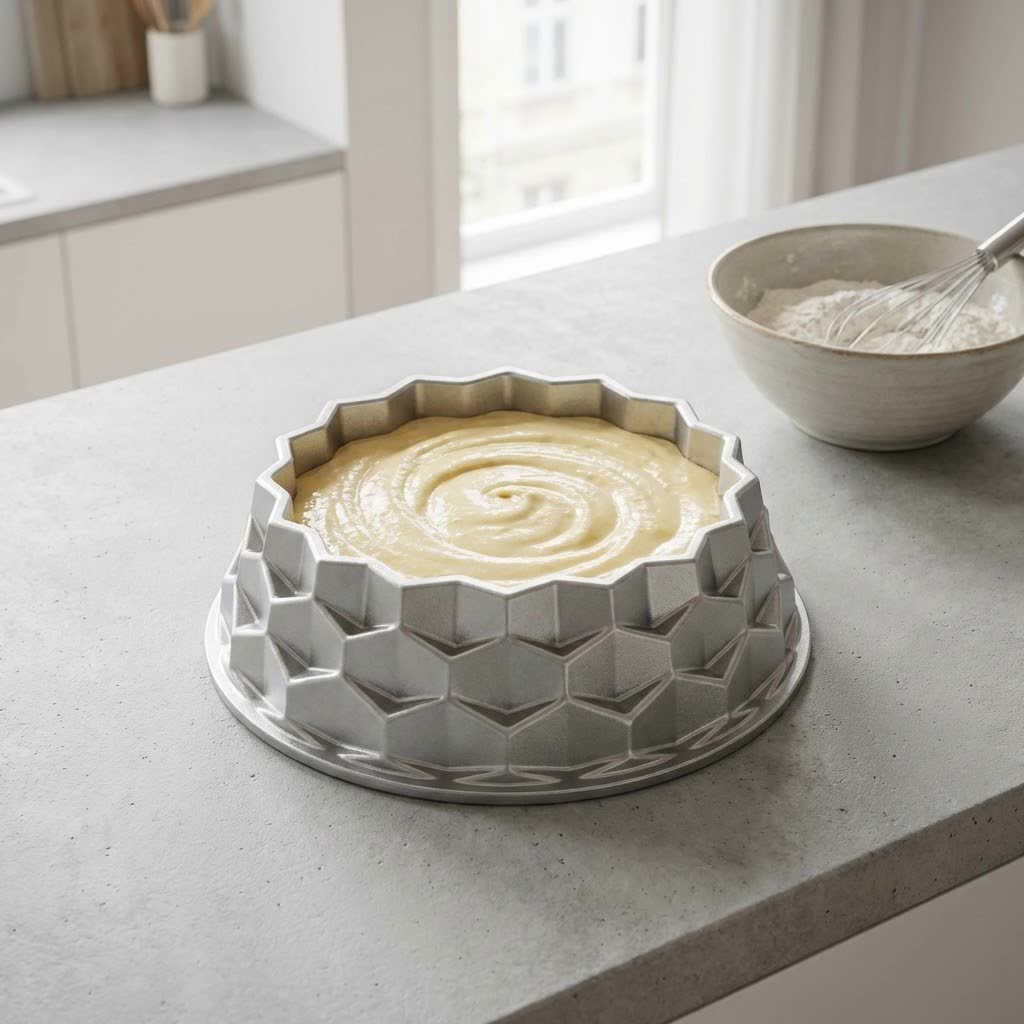
The world of baking is a delightful one, filled with tantalizing aromas and the satisfaction of creating delicious treats. Yet, even seasoned bakers often find themselves pondering a fundamental question when it comes to bakeware: which reigns supreme in the quest for perfectly even results—silicone or metal molds? It’s a debate that goes beyond mere preference, delving into the science of heat distribution, crust development, and overall baking performance. Understanding the unique characteristics of each material is crucial for achieving that ideal balance of texture, color, and doneness in every bite. This guide will explore the nuances of silicone and metal baking molds, helping you decipher which one truly excels at even baking for your specific culinary creations.
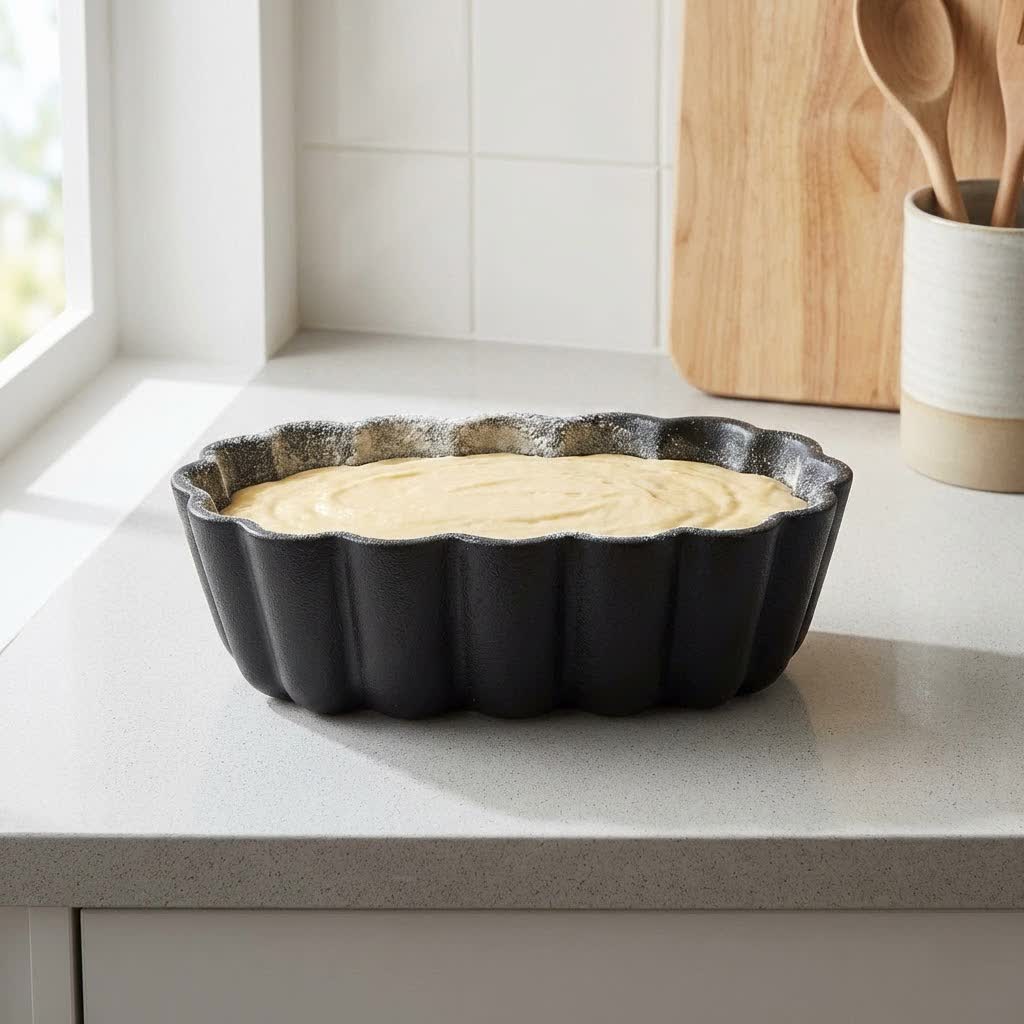
Common Types of Baking Molds
Baking molds are crafted from various materials, each bringing distinct properties to the oven. While glass and ceramic options exist, the most prevalent choices in both professional and home kitchens are silicone and metal. Metal molds, typically made from aluminum or stainless steel, are renowned for their robust nature and efficient heat transfer. Silicone molds, on the other hand, are celebrated for their flexibility and non-stick capabilities, offering a modern alternative for many recipes. The material of your mold significantly influences how heat interacts with your batter, directly impacting the final outcome of your baked goods.
Silicone vs. Metal Molds: A Deep Dive into Even Baking
The concept of “even baking” can mean different things depending on the desired outcome. For some, it’s about uniform internal doneness and moisture; for others, it’s about consistent browning and crispness. Both silicone and metal molds approach this challenge from different angles.
Heat Distribution and Evenness
Table is empty.Silicone molds are known for their insulating properties, which means they heat up slowly and distribute heat gently. This characteristic leads to a more gradual cooking process, often resulting in baked goods that are consistently cooked through without the risk of burnt edges. The slow and even heat transfer can lock in moisture, producing a tender crumb. Conversely, metal molds are excellent heat conductors. They absorb and transfer heat quickly and intensely, allowing the exterior of your baked goods to cook rapidly and develop a distinct crust. While this rapid heat transfer contributes to excellent browning, it also demands more vigilant monitoring to prevent over-baking or uneven cooking if the oven temperature isn’t perfectly consistent.
Browning and Texture
When it comes to browning and texture, metal molds undeniably have an edge. Their superior thermal conductivity promotes the Maillard reaction, yielding a desirable golden-brown crust and a satisfying crispness. This is particularly crucial for items like bread, pies, and cookies, where a well-developed crust is integral to the overall experience. Silicone molds, due to their insulating nature, tend to produce a softer, chewier crust with less browning. While this can be ideal for delicate cakes or muffins where a tender exterior is preferred, it won’t deliver the crispy, artisan-like finish that many bakers seek for other items.
Baking Time and Temperature Adjustments
The differing heat transfer properties of silicone and metal molds often necessitate adjustments to your baking routine. Recipes designed for metal pans might require slight modifications when using silicone. Silicone molds typically need slightly longer baking times—sometimes an extra five minutes or more—to achieve the same level of doneness, as they don’t conduct heat as aggressively. Some bakers also find that increasing the oven temperature slightly when using silicone can help compensate for the slower heat absorption. Conversely, when using metal molds, especially dark-colored ones, you might need to slightly reduce the oven temperature or baking time to prevent over-browning or burning due to their intense heat transfer.
Pros and Cons: Beyond Evenness
While even baking is a primary concern, other factors also play a significant role in choosing the right mold.
Silicone Molds
- Advantages: Silicone bakeware is highly flexible and inherently non-stick, making unmolding delicate items incredibly easy. This flexibility allows for intricate shapes and easy removal without damaging the baked good. They are also simple to store and resistant to a wide range of temperatures.
- Disadvantages: Their flexibility can also be a drawback; silicone molds often require placement on a sturdy baking sheet for support, especially with heavier batters, to prevent spillage and maintain shape. Some users report that silicone can be challenging to clean effectively, occasionally retaining odors or leaving an “off taste” if not thoroughly washed. Achieving a crispy, well-browned exterior is also difficult.
Metal Molds
- Advantages: Metal molds are robust, durable, and excel at creating structure and consistent browning. They are excellent for developing crisp crusts and promoting even expansion. Light-colored metal pans prevent excessive browning, while dark metals can enhance it.
- Disadvantages: Metal pans require thorough greasing, flouring, or lining with parchment paper to prevent sticking, which can be a time-consuming step. They are rigid, making demolding more challenging for delicate items. If not monitored, their rapid heat transfer can lead to burning, particularly on edges.
Choosing the Right Baking Mold for Your Recipe
The best baking mold is ultimately the one that suits your specific recipe and desired outcome.
-
Use Silicone Molds for:
- Delicate Cakes: Where a soft, moist crumb and gentle browning are preferred.
- Muffins and Cupcakes: For easy release and uniform internal texture.
- Chocolates, Fudge, and Candies: Their non-stick property and flexibility are perfect for intricate shapes.
- Frozen Desserts: They easily release frozen items.
-
Use Metal Molds for:
- Breads and Pizzas: To achieve a crispy, well-developed crust.
- Cookies and Pastries: For uniform browning and a firm, crisp texture.
- Pies and Tarts: To ensure a flaky, golden-brown crust.
- Cakes Requiring Structure: Where a firmer exterior and even rise are important.
It’s often beneficial for any serious baker to have a selection of both types to maximize versatility in the kitchen.
Table Comparing Popular Baking Mold Types
| Type of Mold | Key Advantages | Key Disadvantages | Best For |
|---|---|---|---|
| Silicone | Non-stick, easy release, flexible, even internal cooking, moisture retention | Poor browning/crisping, can be floppy, may retain odors, longer bake times | Delicate cakes, muffins, cupcakes, chocolates, intricate shapes |
| Metal | Excellent browning/crisping, good structure, faster baking, durable, consistent rise | Requires greasing/lining, can stick, can burn quickly, less flexible, heavier | Bread, cookies, pies, pastries, anything needing a crisp crust |
Tips for Using and Maintaining Your Baking Molds
Proper care and usage are essential to get the most out of your bakeware.
- For Silicone Molds: Always place silicone molds on a sturdy metal baking sheet before filling and transferring to the oven. This provides necessary support and prevents spills. Be prepared to potentially extend baking times by 5-10 minutes, and ensure the mold is completely dry before storing to prevent residue buildup.
- For Metal Molds: Always grease and flour (or line with parchment paper) metal pans unless specified otherwise for non-stick varieties. Monitor baking closely, especially with dark-colored pans, to prevent over-browning. Clean thoroughly immediately after use to prevent food residue from hardening.
Buying Guide
Choosing the ideal baking mold involves several considerations to match your baking style and aspirations.
- Identify Your Baking Needs: What types of baked goods do you primarily make? Are you aiming for delicate, moist cakes or crisp, rustic bread? The answer will guide your material choice.
- Choose the Right Material for Desired Results: If a golden, crispy crust is paramount, metal is your go-to. If easy release, intricate shapes, and a softer texture are priorities, opt for silicone.
- Check for Safety and Quality: Ensure metal molds are made from food-grade aluminum or stainless steel. For silicone, look for “BPA-free” and “food-grade silicone” labels to guarantee safety and durability.
- Consider User-Friendly Design: Look for molds that are easy to handle, clean, and store. Non-stick coatings on metal pans can be a convenience, but also consider un-coated metal with parchment for longevity and consistent results.
- Evaluate Brand Reputation and Price: Reputable brands often indicate higher quality materials and better performance. While silicone can be more affordable, a good quality metal pan is a long-term investment. Compare prices and features to find the best value for your needs.
Conclusion
The debate between silicone and metal Baking Molds isn’t about one being definitively “better” than the other, but rather about understanding their strengths and matching them to your baking goals. Metal molds excel at delivering that coveted golden-brown, crispy crust and structured rise, while silicone molds shine in providing even internal cooking, moisture retention, and effortless release for delicate creations. True mastery in the kitchen often lies in harnessing the unique properties of both materials, knowing when to reach for each to perfect your desired outcome. Experiment with both, embrace their differences, and elevate your baking game. Which mold will you choose for your next culinary adventure?
Frequently Asked Questions
Why do my cakes take longer to bake in silicone molds?
Silicone is an insulator, meaning it heats up and transfers heat more slowly than metal. This slower heat conduction requires a longer baking time to ensure your cake cooks through evenly, preventing a raw center.
Can I achieve a crispy crust with silicone molds?
It is generally challenging to achieve a crispy crust with silicone molds because their insulating properties prevent the intense, direct heat transfer needed for significant browning and crisping. Metal molds are far superior for this specific texture.
Are metal pans better for all types of baking?
No, metal pans are not universally better for all baking. While they excel for items requiring a crispy crust, good browning, and structure like bread and cookies, silicone molds are often preferred for delicate items, intricate shapes, and recipes where easy release and a softer, moister texture are desired.