The delightful trend of “cake in a jar” has captured the imagination of home bakers, offering charming individual servings perfect for gifts, picnics, or simply satisfying a sweet craving. The appeal lies in its portability and attractive presentation, leading many to explore baking cakes directly within canning jars. However, while the idea of a perfectly baked, sealed cake ready for enjoyment sounds convenient, it’s crucial to understand the significant safety concerns that come with this popular DIY practice. Experts universally advise against baking directly in canning jars due to potential hazards like glass breakage and serious foodborne illness.
The Allure of Cake in a Jar: A Popular Trend
Individual desserts have a unique charm, and “cake in a jar” epitomizes this appeal. These miniature treats offer portion control, are easy to transport, and present beautifully, making them ideal for party favors, thoughtful homemade gifts, or a simple, indulgent snack. The concept of baking directly into a sturdy glass jar seems like a clever shortcut to achieve these charming desserts, bypassing the need for traditional cake pans and complicated layering. Many are drawn to the perceived simplicity of pouring batter into a jar, baking, and then sealing for what they hope is an extended shelf life. This aesthetic and convenience have fueled the trend across social media and home cooking blogs.
Why Baking Directly in Canning Jars is NOT Recommended for Safety
Despite its popularity, the practice of baking cakes or breads directly in canning jars (such as Mason or Ball jars) is fraught with risks and strongly discouraged by food safety organizations and jar manufacturers alike. It’s vital to differentiate between the intended use of canning jars and their suitability for oven baking.
Risk of Glass Shattering
Table is empty.Canning jars are specifically engineered for the high heat of water bath or pressure canning, where they are surrounded by moisture. They are manufactured using annealed glass, which is designed for these wet-heat environments, allowing for slow, even heating and cooling. However, this type of glass is not tempered to withstand the dry, intense, and often fluctuating temperatures of an oven. Placing canning jars in a hot oven exposes them to thermal shock, which can cause them to crack, shatter, or even explode. This poses a significant risk of personal injury from flying glass shards and can damage your oven.
The Hidden Danger: Botulism Risk
Beyond the risk of glass breakage, a more insidious threat lurks when baking and sealing low-acid foods like cakes and breads in jars: botulism. Clostridium botulinum is a bacterium that thrives in anaerobic (oxygen-free), moist, low-acid environments, and its spores can survive standard baking temperatures. When a cake or bread, which typically has a high moisture content and a pH above 4.6, is baked in a jar and then sealed with a lid, it creates the perfect breeding ground for these dangerous spores to germinate and produce a potent neurotoxin. Botulism is a severe and often fatal foodborne illness, and there are no reliable, scientifically tested home canning methods for cakes or quick breads that eliminate this risk.
Manufacturer and Expert Warnings
Leading canning jar manufacturers like Ball and Kerr explicitly state that their jars are not designed for oven use for baking purposes. University extension services, including those from the University of New Hampshire, The Ohio State University, and Michigan State University, alongside the National Center for Home Food Preservation, echo these warnings. They strongly recommend against baking and sealing cakes or breads in canning jars, emphasizing the real and potentially fatal risk of botulism. Commercial “cake in a jar” products, while seemingly similar, are produced using specific additives, preservatives, and stringent processing controls that cannot be replicated safely in a home kitchen.
“The glass used for Ball and Kerr canning jars is not tempered for oven use and is not meant to be used in baking projects.” – Ball/Kerr Canning Jar Manufacturers
The Difference Between Baking and Canning Jars
Understanding the distinction between different types of glassware is key to safe kitchen practices. Baking dishes, like those made from Pyrex, are typically crafted from tempered glass, which undergoes a special heating and rapid cooling process to increase its strength and resistance to temperature changes, making it safe for oven use. Canning jars, on the other hand, use annealed glass, which is slowly cooled to remove internal stresses but is less resistant to the dry, intense heat of an oven. Canning jars are specifically designed for the wet-heat environment of boiling water baths or pressure canners, where food is preserved through a combination of heat and vacuum sealing in a moist environment, not dry baking.
Safe Alternatives for Delicious “Cake in a Jar”
You can still enjoy the charm and convenience of “cake in a jar” without compromising safety. The key is to separate the baking process from the assembly and storage.
Bake and Assemble
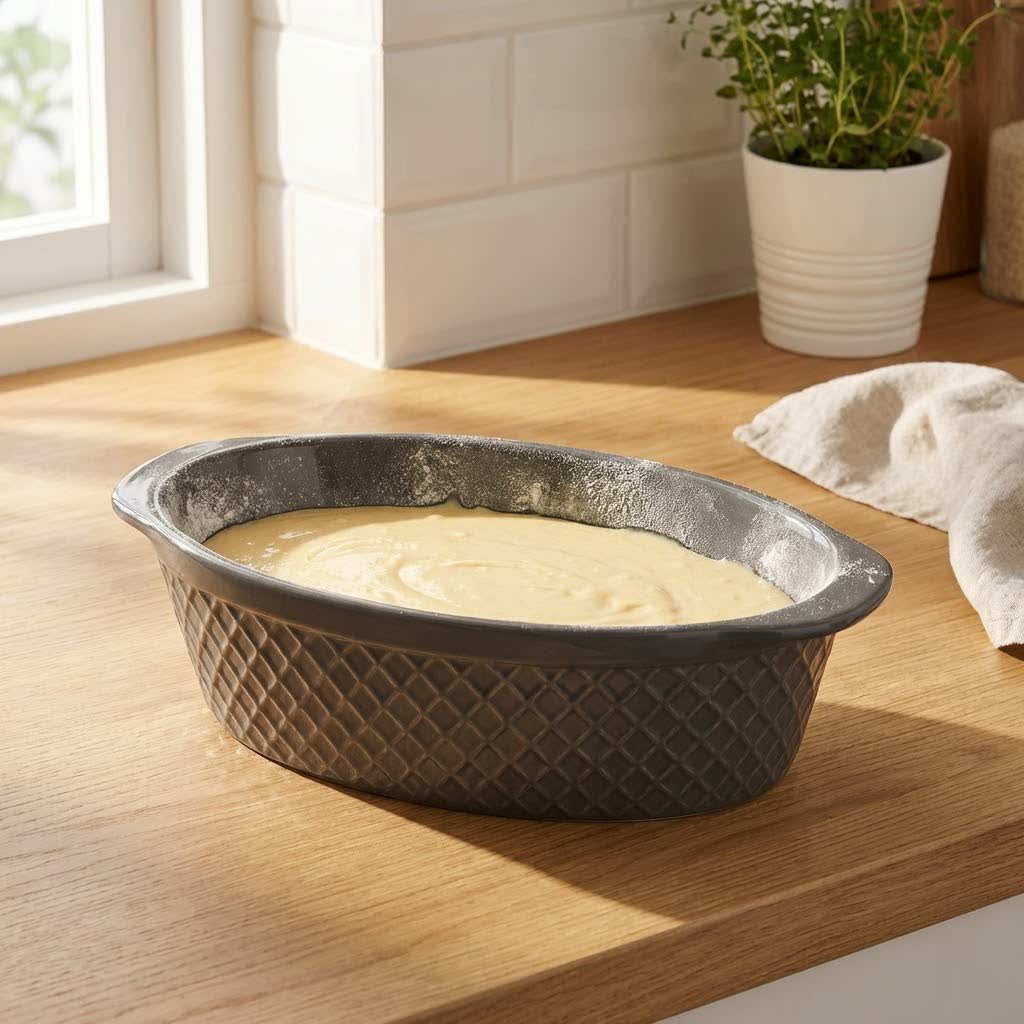
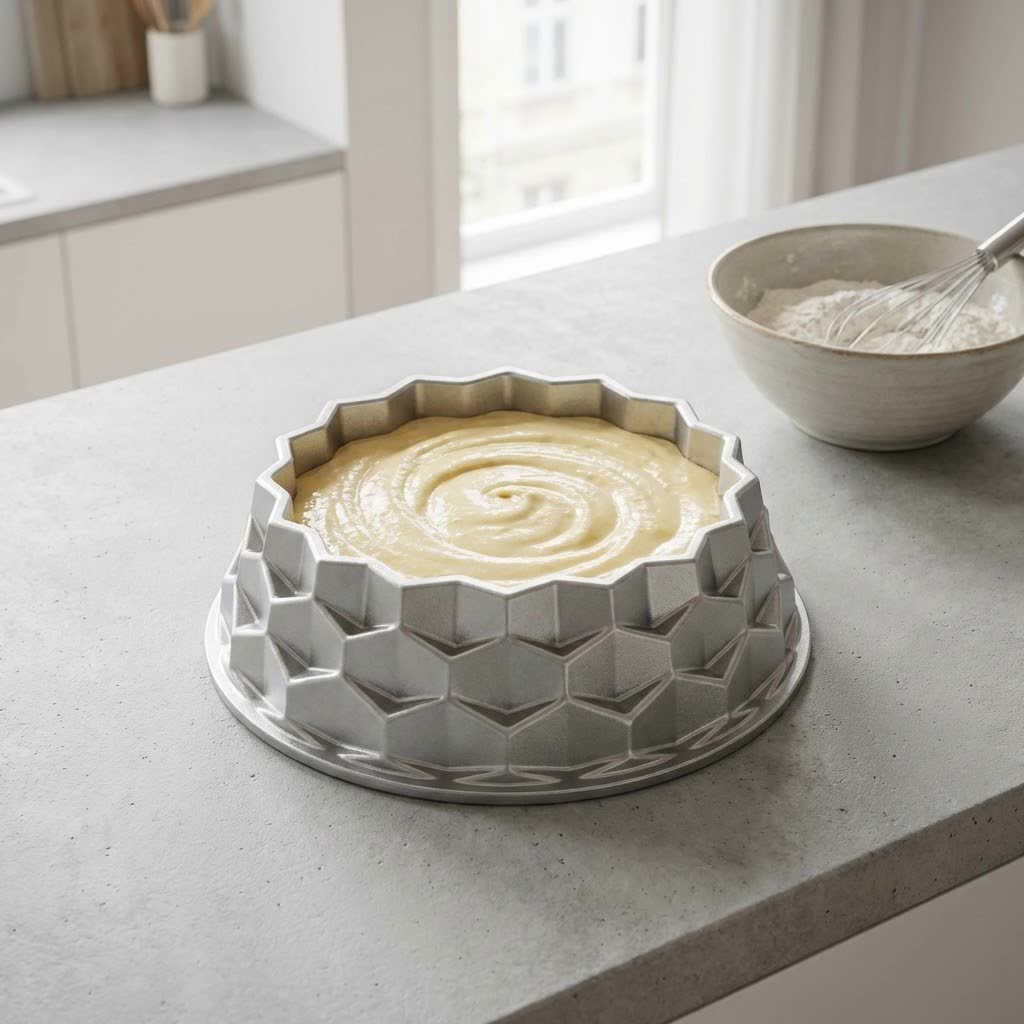
The safest and most recommended method is to bake your cake in conventional oven-safe bakeware, such as a traditional cake pan or muffin tin. Once the cake is fully baked and completely cooled, you can then cut it into layers or crumble it, and layer it with frosting, fruit compotes, or other delicious fillings into clean canning jars or any other attractive food-safe containers. This allows you to create beautiful, individualized desserts without exposing your jars to oven temperatures they cannot withstand.
Consider Oven-Safe Ramekins or Baking Dishes
For truly individual baked desserts, opt for containers explicitly designed for oven use. Small ceramic ramekins, mini cast-iron skillets, or other certified oven-safe baking dishes are perfect for baking single-serving cakes, soufflés, or crumbles directly in the oven. These materials are manufactured to handle high temperatures safely.
Freezing Baked Goods
If you’re looking for long-term storage, freezing is a much safer alternative for homemade baked goods than attempting to “can” them in jars. Properly wrapped and stored, cakes and breads can be frozen for several months, ready to be thawed and enjoyed whenever you desire.
Tips for Storing “Cake in a Jar” (Safely Assembled)
Once you’ve safely assembled your delicious cake in a jar using pre-baked cake layers and fillings, proper storage is essential to maintain freshness and prevent spoilage. These assembled treats should always be treated like any other perishable dessert.
- Refrigeration is Crucial: Any cake in a jar that contains frosting, fresh fruit, or other perishable fillings must be refrigerated immediately. Do not attempt to store these at room temperature for extended periods.
- Airtight Lids: Use airtight lids to prevent your cake from drying out and to protect it from absorbing odors from other foods in your refrigerator.
- Enjoy Promptly: While refrigeration extends shelf life, these desserts are best enjoyed within a few days to a week for optimal taste and texture. Always check for any signs of spoilage before consuming.
- Avoid Sealing for Room Temperature Storage: Never attempt to “seal” these jars for long-term room temperature storage, as this creates the dangerous anaerobic environment conducive to botulism.
Buying Guide for Safe Baking Gear
To ensure your baking endeavors are both delicious and safe, invest in the right tools for the job.
- Oven-Safe Bakeware: Prioritize baking pans made from tempered glass, ceramic, or metal. These materials are designed to withstand high oven temperatures without risk of shattering. Look for labels indicating “oven safe” or “bakeware.”
- Food Storage Jars: For assembling your “cake in a jar” creations after baking, use clean canning jars or other glass food storage containers. Ensure they have tight-fitting lids for refrigeration. While these are perfect for presentation and short-term chilled storage, remember they are not for baking.
- Quality Ingredients: Always start with fresh, high-quality ingredients for the best results and to minimize any initial bacterial load.
Conclusion
The dream of baking a cake directly in a canning jar for safe, long-term storage at room temperature is unfortunately a dangerous misconception. The significant risks of glass shattering and potentially deadly botulism far outweigh any perceived convenience. By understanding the inherent limitations of canning jars and prioritizing verified food safety guidelines, you can protect yourself and your loved ones. Embrace the safer alternatives: bake your cakes in appropriate oven-safe bakeware, cool them completely, and then layer them into jars for refrigerated enjoyment. This allows you to indulge in the charming “cake in a jar” trend while maintaining the highest standards of safety and culinary excellence. What delicious and safe “cake in a jar” creations will you assemble next?
Frequently Asked Questions
Is it ever safe to bake in a Mason jar?
No, it is not recommended to bake directly in Mason jars or other canning jars. These jars are made of annealed glass, not tempered glass like bakeware, and are not designed to withstand the high, dry heat of an oven, which can cause them to shatter and pose a risk of injury.
What is the risk of botulism when baking cake in a jar?
When low-acid, moist foods like cakes are baked in jars and then sealed, it creates an oxygen-deprived environment. This can allow Clostridium botulinum spores, which may survive baking temperatures, to grow and produce a deadly toxin, leading to botulism, a severe foodborne illness.
Can commercially produced cakes in jars be stored at room temperature?
Yes, commercially produced cakes in jars are safe for room temperature storage because they use specific additives, preservatives, and processing controls that eliminate microbial risks. These methods cannot be replicated safely in a home kitchen.
What’s the best way to make individual cake servings safely?
The safest way is to bake your cake in a standard oven-safe pan. Once cooled, cut or crumble the cake and layer it into clean canning jars or other food-safe containers with your desired frostings and fillings. These assembled desserts should then be refrigerated.
How do I properly store “cake in a jar” if I assemble it myself?
Safely assembled “cake in a jar” (made from pre-baked cake and layered with fillings) should always be stored in the refrigerator with an airtight lid. It should be consumed within a few days, similar to any other perishable dessert.