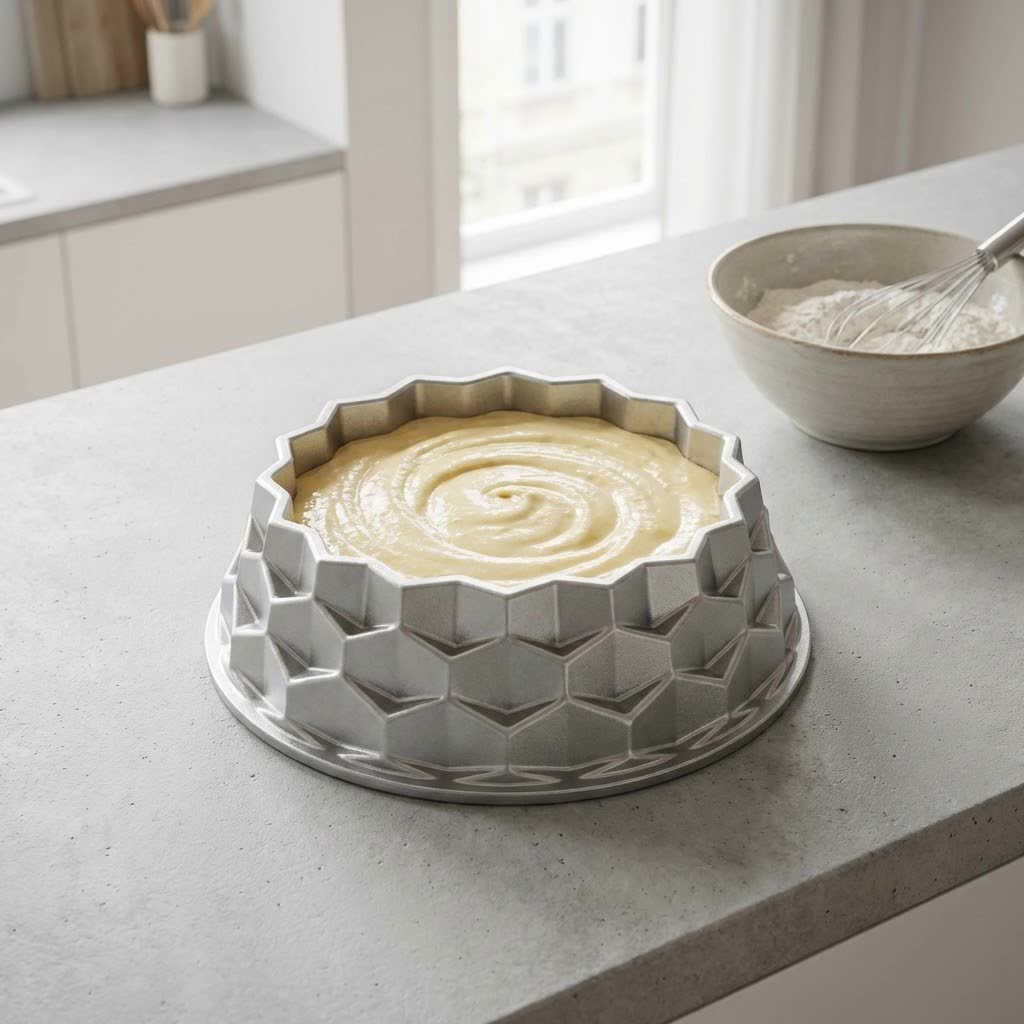
Have you ever wondered why your chocolate chip cookies have perfectly golden bottoms in one pan, yet another batch turns out excessively dark, or your delicate vanilla cake browns unevenly? The secret often lies not in your oven temperature or recipe, but in the subtle yet significant difference between dark and light metal baking pans. As a seasoned technician with over a decade of experience exploring the nuances of bakeware, I can tell you that understanding how these pans interact with heat is crucial for achieving perfect results every time. This comprehensive guide will demystify the science behind pan color, helping you choose the ideal metal baking pan for every culinary creation.
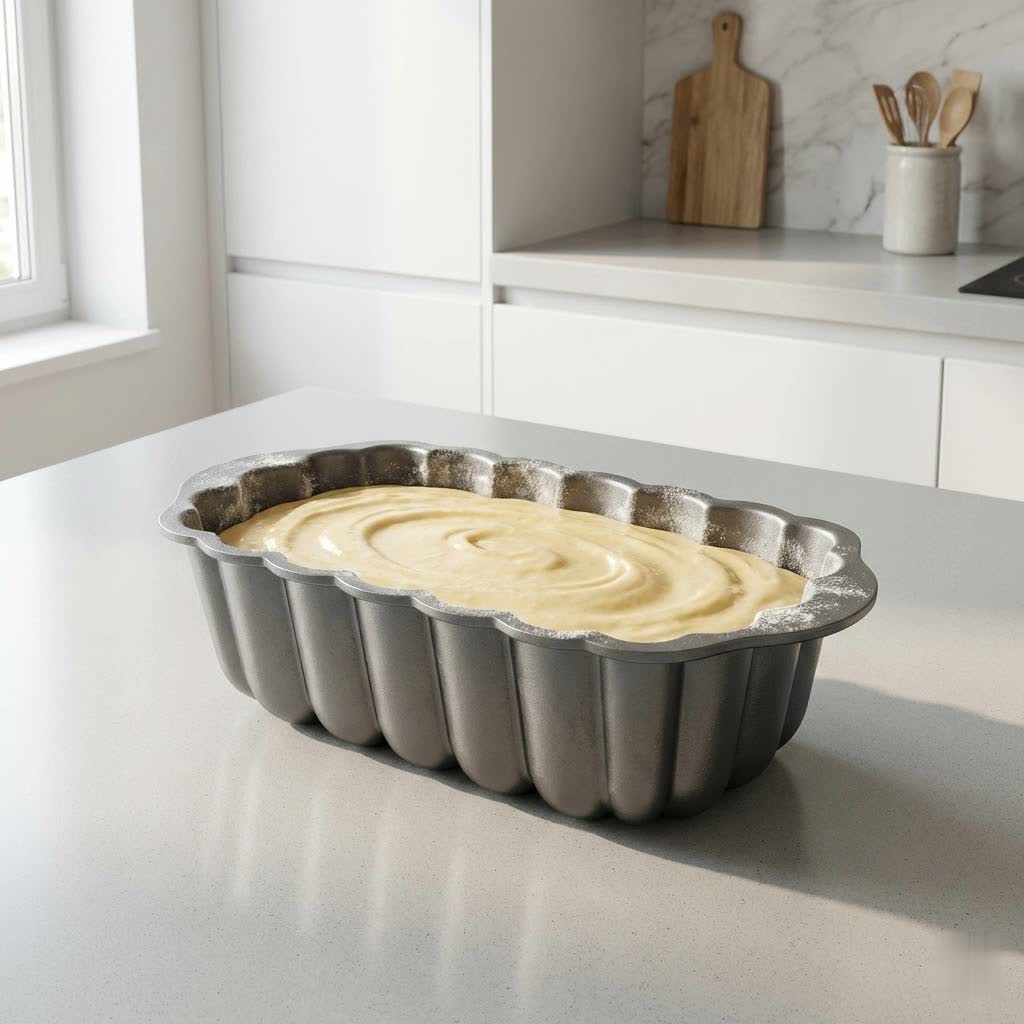
The Science Behind Your Bakeware: How Color Affects Heat Transfer
The color of your baking pan plays a surprisingly critical role in how your food bakes, primarily due to how different shades interact with oven heat. Ovens cook food through a combination of conduction (direct contact), convection (moving air), and radiation (infrared waves). Darker surfaces, much like dark clothing on a sunny day, are highly efficient at absorbing heat, particularly radiant heat. This absorption means dark metal baking pans heat up faster and transfer that absorbed energy more intensely to the food. Conversely, lighter, shinier metal baking pans excel at reflecting heat. This reflective quality means they absorb less radiant energy, resulting in a gentler, more gradual heat transfer to your baked goods. Understanding this fundamental difference is the first step toward mastering your baking outcomes.
Dark Metal Baking Pans: For That Perfect Golden-Brown Crust
Dark metal baking pans are characterized by their ability to absorb and radiate heat efficiently, making them a powerful tool for certain types of baking. Their dark, often matte finish, quickly draws in heat, transferring it directly to the food in contact with the pan.
Pros:
- Promotes Deep Browning: Ideal for achieving rich, caramelized crusts and beautifully browned exteriors.
- Crispier Textures: Excellent for developing crispy bottoms on pizzas, roasted vegetables, and rustic breads.
- Faster Cooking: Due to efficient heat transfer, food often bakes more quickly, which can be advantageous for some dishes.
Cons:
- Risk of Over-Browning/Burning: The intense heat can easily lead to burnt bottoms, overly dark edges, or dried-out textures, especially with delicate items.
- Domed Cakes: Cakes baked in dark pans may experience rapid setting of the outer edges, causing the center to rise unevenly and form a dome.
Best for:
Dark metal baking pans are perfect for recipes where browning, crispness, and a robust crust are desired. Think pizza, roasted root vegetables, savory tarts, artisanal breads, cornbread, and pies (especially for achieving a crisp bottom crust).
Tips for Use:
If your recipe doesn’t specify pan color and you’re using a dark pan, it’s generally wise to reduce your oven temperature by 25°F (15°C) to prevent over-browning. Additionally, start checking for doneness 10 to 15 minutes earlier than the recipe suggests. Using parchment paper or a silicone baking mat can also help create a buffer, tempering the intense heat and promoting more even baking in dark pans.
Light Metal Baking Pans: Ensuring Even, Delicate Bakes
Light metal baking pans, typically made of shiny aluminum, operate on the principle of heat reflection. Their bright, often polished surfaces bounce radiant heat away, providing a more controlled and gentle baking environment.
Pros:
- Even Heat Distribution: Reflective surfaces distribute heat uniformly, minimizing hot spots and promoting consistent baking throughout.
- Prevents Over-Browning: Ideal for delicate baked goods that require a soft, pale, or golden-brown finish without excessive darkening.
- Promotes Even Rising: Cakes tend to rise more evenly without prematurely set edges, resulting in a flatter, more uniform top.
Cons:
- Slower Browning: Foods may take longer to achieve a deep golden-brown color or a crispy crust.
- Less Crisping: Not ideal for dishes where significant crisping is a primary goal.
Best for:
Light metal baking pans are the go-to choice for delicate items that benefit from gentle, even heat and a tender crumb. This includes cakes, cookies, muffins, cupcakes, quick breads, loaf cakes, and delicate pastries where a light, tender texture and uniform appearance are paramount.
Tips for Use:
When using light pans, generally follow the recipe’s specified oven temperature and baking time. These pans are designed to achieve the results typically outlined in most standard baking recipes. For items that require a little extra browning, you might need to extend the baking time slightly or finish under a broiler, keeping a close watch to prevent burning.
Baking Pan Materials: Beyond Just Color
While the color of a metal baking pan is a significant factor, the material itself also plays a role in its performance. Most metal baking pans are made from either aluminum or steel, often with various coatings.
- Aluminum Pans: Light-colored aluminum is widely favored by professional bakers for its excellent heat conductivity and even heat distribution. It heats up quickly and cools down relatively fast, providing predictable results for delicate items. Shiny aluminum pans reflect heat most effectively.
- Steel Pans: Often darker in color, steel pans (including carbon steel and aluminized steel) are robust and durable. They tend to absorb and retain heat more, leading to the darker browning associated with dark pans. Many dark nonstick pans are made from steel or dark-coated aluminum, combining the nonstick property with the heat-absorbing characteristics of dark bakeware.
The key takeaway is that the combination of material and finish determines the pan’s heat dynamics. A dark-coated aluminum pan will behave more like a dark steel pan than a shiny aluminum one.
Dark vs. Light Metal Baking Pans at a Glance
Choosing the right pan can transform your baking. Here’s a quick comparison to guide your decision:
| Feature | Dark Metal Baking Pans | Light Metal Baking Pans |
|---|---|---|
| Heat Absorption | High (absorbs and radiates more heat) | Low (reflects heat) |
| Browning Potential | High (promotes darker, crispier crusts) | Low (promotes lighter, golden crusts) |
| Baking Speed | Faster (can lead to quicker cooking) | Slower/Standard (more even, gentle baking) |
| Best For | Pizzas, roasted veggies, crusty breads, savory dishes | Cakes, cookies, muffins, delicate pastries, quick breads |
| Common Material | Steel, dark-coated aluminum, nonstick | Shiny aluminum |
| Recipe Adjustment | Reduce oven temp by 25°F, check earlier | Follow recipe as written |
Top 5 Baking Pans for Every Kitchen
Building a versatile bakeware collection means having the right tools for diverse baking needs. While specific brands can vary, these categories represent essential pans that every home baker can benefit from:
- Versatile Light Aluminum Sheet Pan: An absolute workhorse for cookies, sheet pan dinners, roasted vegetables, and pastries. Its reflective surface ensures even cooking and prevents excessive browning.
- Heavy-Gauge Dark Steel Baking Pan: Indispensable for achieving robust browning and crisp textures. Perfect for artisan bread, pizzas with a crispy crust, and hearty savory bakes.
- Light-Colored Round Cake Pan: Essential for delicate layer cakes, ensuring a tender crumb and light, even crust. A good quality anodized aluminum pan is often preferred here.
- Dark Nonstick Muffin Tin: Ideal for muffins, cupcakes, and even savory egg bites. The dark finish helps create beautifully browned edges, while the nonstick coating ensures easy release.
- Light Loaf Pan: Crucial for quick breads, pound cakes, and yeast breads where an evenly baked interior and a gently browned exterior are desired without overcooking the ends.
Mastering Your Pans: Usage and Care Tips
Beyond selecting the right pan, proper usage and care are vital for consistent results and extending the life of your bakeware.
- Prepping: Always prepare your pans as specified by the recipe. This might involve greasing and flouring, or lining with parchment paper. Parchment paper or silicone baking mats can be especially beneficial in dark pans to mitigate intense direct heat, preventing over-browning on the bottom.
- Temperature Adjustments: Remember the golden rule for dark pans: if a recipe doesn’t specify, reduce your oven temperature by 25°F (15°C) and begin checking doneness earlier. This simple adjustment can prevent many baking mishaps.
- Monitoring: Develop a habit of visually checking your baked goods, especially when using a new pan or adjusting a recipe. Look for the desired color and texture, and rely on internal temperature readings for doneness in cakes and breads.
- Cleaning and Storage: Most metal pans benefit from handwashing with warm, soapy water to preserve their finish and nonstick coatings. Avoid abrasive scrubbers that can scratch surfaces. Store pans properly to prevent warping and damage.
“The difference in your baking results can often be traced back to the color of your pan. Dark pans are fantastic for browning, but for delicate cakes and cookies, a lighter pan is your best friend for an even, tender bake.” – Chef Elena Rodriguez, Culinary Instructor & Bakeware Specialist
Choosing Your Perfect Baking Partner: A Buying Guide
Navigating the array of metal baking pans can feel overwhelming, but a thoughtful approach will ensure you invest wisely.
- Assess Your Baking Needs: Start by considering what you bake most often. Are you a cookie enthusiast, a cake decorator, or someone who loves roasted vegetables and crusty bread? Your primary baking focus will dictate the type and color of pans you need most.
- Consider Pan Material & Finish: For delicate items requiring even, gentle heat, opt for shiny, light-colored aluminum. For dishes where deep browning and crisp textures are paramount, dark-coated steel or aluminum pans are ideal.
- Prioritize Quality & Durability: Investing in heavy-gauge metal pans means better heat conduction, greater durability, and less likelihood of warping over time. Thicker pans often distribute heat more evenly.
- Ease of Use & Cleaning: Nonstick coatings (often dark) can be a blessing for easy food release and cleanup. However, remember their heat-absorbing properties and adjust your baking accordingly. Consider pans that are easy to handle and fit well in your storage space.
- Budget & Brand Reputation: While it’s tempting to opt for the cheapest option, reputable brands often offer superior quality and consistency. Read reviews and consider the long-term value before making a purchase. A good quality pan can last for decades.
Conclusion
The humble baking pan is far more than just a vessel; it’s a critical component in the art and science of baking. As we’ve explored, the distinction between dark and light metal baking pans significantly impacts heat transfer, browning, and overall baking results. While dark pans excel at creating those coveted crispy, deeply browned crusts, light pans are champions of even, delicate bakes with tender, golden finishes. Armed with this knowledge, you can now confidently select the perfect pan for every recipe, making informed decisions that elevate your culinary creations from good to truly exceptional. So, which pan will you reach for in your next baking adventure?
Frequently Asked Questions
Do dark pans cook faster than light pans?
Table is empty.Yes, dark pans absorb more heat and can cause baked goods to cook faster and brown more intensely, particularly on the bottom and sides. It’s often recommended to lower your oven temperature by 25°F (15°C) when using dark pans to prevent over-browning.
When should I use a light-colored baking pan?
Light-colored metal baking pans are ideal for delicate baked goods like cakes, cookies, muffins, and quick breads. They reflect heat, promoting even baking, a tender crumb, and a beautiful golden-brown finish without excessive darkening.
Can I use a dark pan instead of a light pan (and vice versa)?
You can, but you’ll need to adjust your baking method. For dark pans, lower the oven temperature by 25°F (15°C) and reduce baking time. For light pans, you might need to increase baking time slightly to achieve desired browning, or accept a lighter crust.
What causes cakes to dome in dark baking pans?
Dark pans cause the outer edges of a cake to set and bake faster due to intense heat absorption. The center, still liquid, continues to rise, creating a domed top. Light pans help mitigate this by providing more even heat, allowing the cake to rise uniformly.
How do nonstick coatings relate to pan color?
Many nonstick pans feature a dark coating, which means they will behave similarly to other dark metal pans in terms of heat absorption and browning. Always consider the color of your nonstick pan when adjusting recipes, even if the nonstick property is the primary feature.