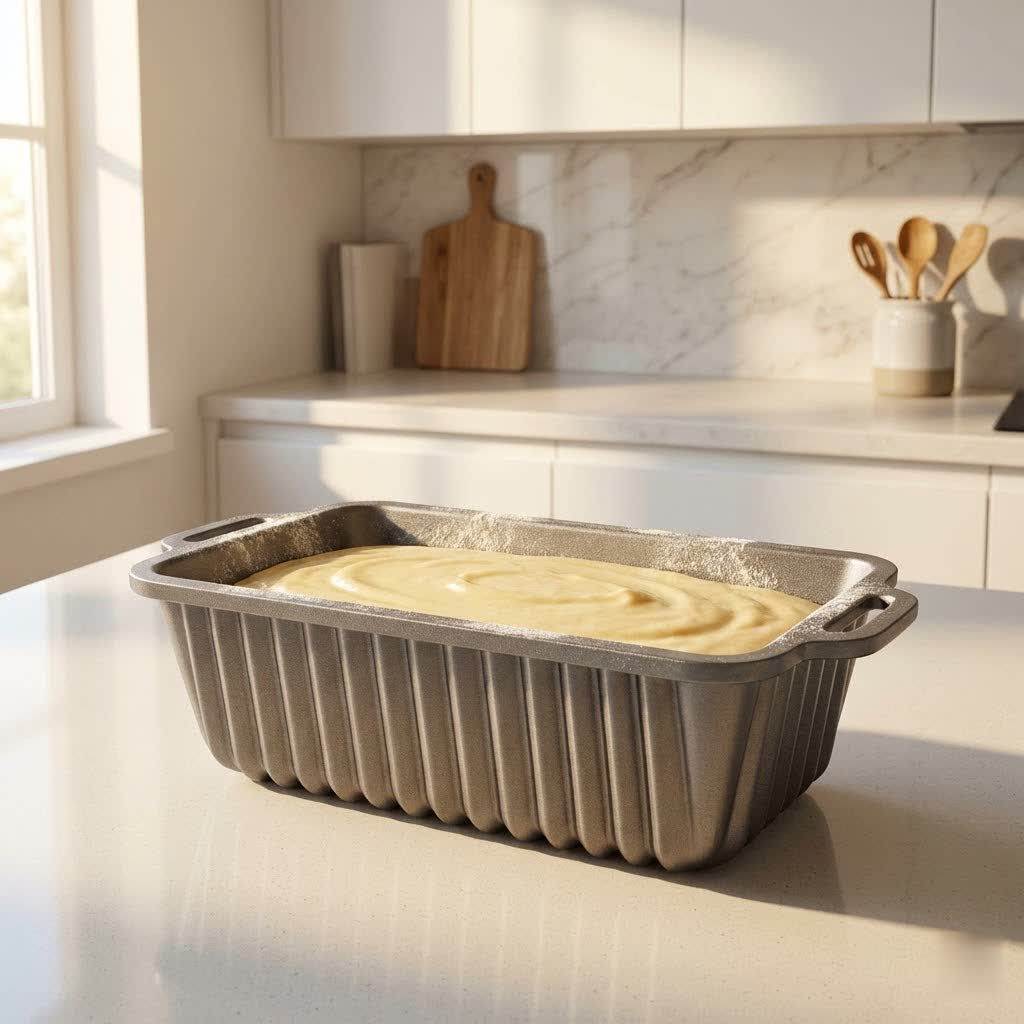
Choosing the right baking pan can be as crucial as the ingredients themselves, profoundly impacting the final texture and appearance of your baked goods. For many home bakers and seasoned professionals, the debate often boils down to two popular contenders: carbon steel and aluminum. Each material boasts unique properties that cater to different baking needs and preferences. Understanding their distinct advantages and disadvantages is key to selecting the perfect pan to elevate your culinary creations.
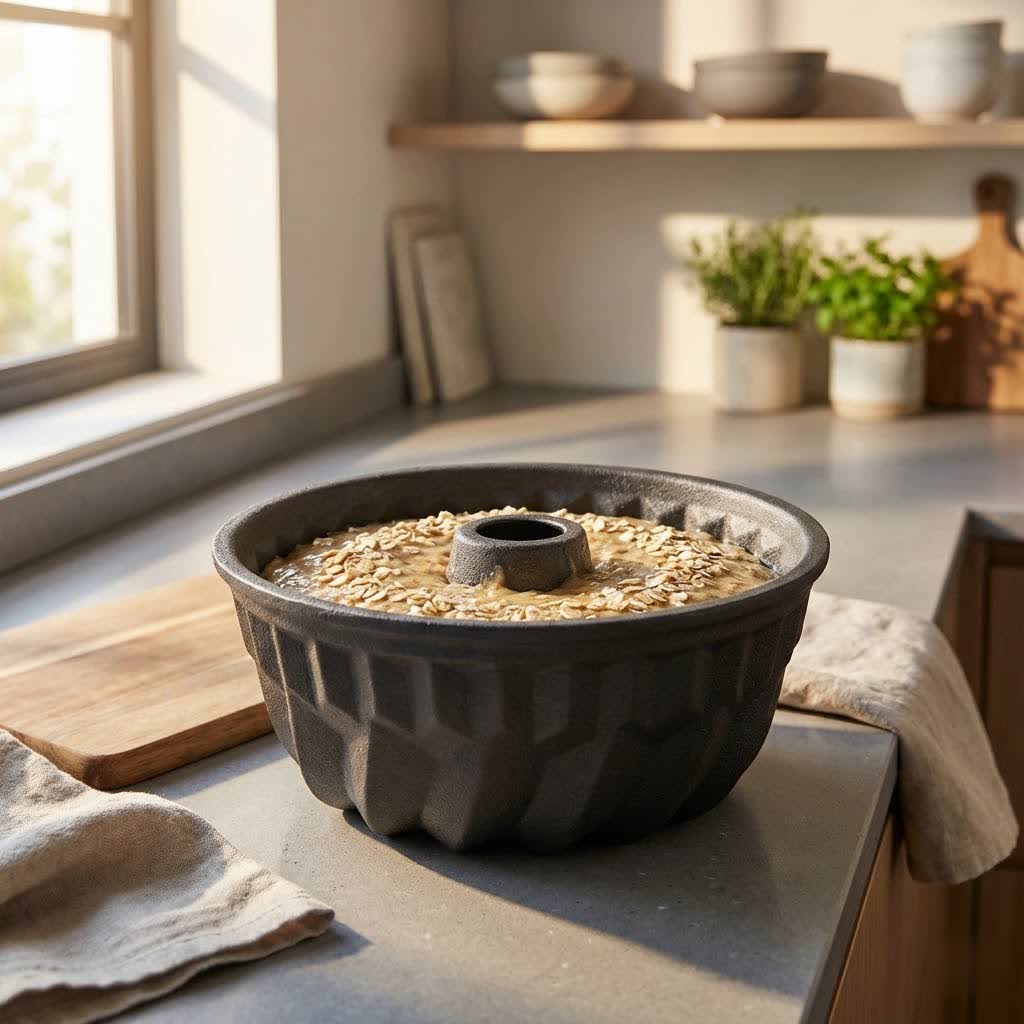
Popular Baking Pan Materials: Carbon Steel and Aluminum
Baking pans come in a variety of materials, each offering distinct characteristics that influence heat conduction, durability, and overall baking performance. Among the most common and debated are carbon steel and aluminum, both staples in kitchens worldwide.
Carbon steel, an alloy primarily composed of iron with a small percentage of carbon, is celebrated for its strength and heat retention. It shares many qualities with cast iron but is typically lighter and more responsive to temperature changes, making it versatile for both stovetop and oven use. Properly seasoned, it develops a naturally non-stick surface over time, making it a favorite for dishes requiring high heat and a good crust.
Aluminum, on the other hand, is widely recognized for its exceptional thermal conductivity. This lightweight metal heats up rapidly and distributes heat very evenly, which is critical for consistent baking results like uniformly golden cakes and perfectly baked cookies. It’s often found in various forms, including pure aluminum and anodized aluminum, which is treated to be harder and less reactive.
Advantages and Disadvantages of Each Material
Understanding the unique characteristics of carbon steel and aluminum pans is essential for making an informed choice.
Carbon Steel Pans
- Pros:
- Exceptional Durability: Carbon steel is robust and built to last, often for decades with proper care. It resists warping and denting, standing up to rigorous use.
- Superior Heat Retention: Similar to cast iron, carbon steel holds heat incredibly well, making it ideal for achieving a crisp crust on breads or pies and excellent browning for roasted items.
- Natural Non-Stick Surface: With consistent seasoning, carbon steel develops a natural, chemical-free non-stick surface that improves with age and use.
- High Heat Tolerance: These pans can withstand very high temperatures, often exceeding 600°F, making them suitable for oven, grill, and even open-flame cooking.
- Cons:
- Requires Seasoning: Carbon steel pans need to be seasoned (oiled and heated) before initial use and regularly re-seasoned to maintain their non-stick properties and prevent rust.
- Reactive to Acidic Foods: Highly acidic ingredients like tomatoes, citrus, or wine can strip away the seasoning and potentially cause a metallic taste in food.
- Hand Wash Only: To preserve seasoning, carbon steel pans must be hand-washed and thoroughly dried immediately after cleaning to prevent rust.
- Heavier than Aluminum: While lighter than cast iron, carbon steel is heavier than aluminum, which can affect handling for some bakers.
Aluminum Pans
- Pros:
- Excellent Heat Conductivity: Aluminum is a superb heat conductor, heating up quickly and distributing heat very evenly across the pan surface, preventing hot spots and ensuring uniform baking. This property leads to consistently baked goods with an even rise.
- Lightweight and Easy to Handle: Its light weight makes aluminum bakeware effortless to maneuver, especially when dealing with multiple pans or heavy batter.
- Affordable: Aluminum pans are generally more budget-friendly than many other bakeware materials, making them a popular choice for home bakers.
- Rust and Corrosion Resistant: Unlike unseasoned carbon steel, aluminum is naturally resistant to rust and corrosion, simplifying maintenance. Anodized aluminum offers enhanced durability and non-reactivity.
- Cons:
- Reactive to Acidic Foods: Untreated aluminum can react with acidic or alkaline foods, potentially leading to discoloration of the pan, a metallic taste in food, and even leaching of aluminum into the dish. Anodized aluminum mitigates this issue.
- Prone to Warping and Denting: Thinner or lower-quality aluminum pans can warp or dent over time, especially when exposed to sudden temperature changes.
- Lacks Heat Retention: Aluminum cools down quickly, which might not be ideal for dishes that benefit from prolonged heat retention to achieve a very crisp exterior after removal from the oven.
|
Our Picks for the Best Baking mold in 2026
As an Amazon Associate I earn from qualifying purchases.
|
||
| Num | Product | Action |
|---|---|---|
| 1 | Amazon Basics Nonstick Muffin Pan, Set of 2, Sturdy, Oven Safe, Bakes Evenly, Easy to Clean, 12 Cups, Gray, 13.9x10.55x1.22" |

|
| 2 | Chicago Metallic Professional 3-Piece Round Cake Pan Set - 6, 8, and 10 Inch Nonstick Carbon Steel Baking Pans, 2 Inches Deep, for Layered Celebration Cakes and Tiered Desserts |
|
| 3 | O’Creme Bakeable Plastic Mini Cake Pan & Jello Mold – Non-Stick Silicone Baking Pan – Reusable Mold For Baking, Desserts and More – 25 QTY Pack |
|
| 4 | RFAQK 100pcs Cake Pan Sets for Baking + Cake Decorating Supplies: 3 Non-Stick Springform Pans Set (4, 7, 9 inches), Icing Tips, Cake Leveler – Multi-functional Leak-Proof CheeseCake Pan & eBook |
|
| 5 | Amazon Basics Rectangular Nonstick Bread Loaf Pan for Baking Meatloaf with Even Heat Distribution, 9.5 x 5 Inch, Gray, Set of 2 |
|
| 6 | CAKETIME 12 Cups Silicone Muffin Pan - Nonstick Cupcake Pan 1 Pack Regular Size Silicone Mold for Baking |
|
| 7 | HIWARE 9 Inch Non-stick Cheesecake Pan Springform Pan with Removable Bottom/Leakproof - Black |
|
| 8 | Palksky (2 Pcs) 8 Cavity Rectangle Granola Bar Silicone Mold/Nutrition/Cereal Bar Molds Energy Bar Maker for Chocolate Truffles Ganache Bread Brownie Cornbread Cheesecake Pudding Butter Mould |
|
| 9 | Vinino Silicone Mini Loaf Pans with Metal Reinforced Frame-2 Pack, Non-stick Silicone Bread Pan for Baking 8-Cavity, Tiny Banana Bread Set, Dishwasher Safe Brownie Pan-Cream |
|
| 10 | Novery 9.5" Non-stick Cake Pan, Heavy Duty Carbon Steel Fluted Tube Round Baking Pan,Buntz Pound Cake Pan Mold,Tube Bakeware,Baking Mold for Jello,Gelatin,Chocoflan,Flan |
|
Guide to Choosing the Right Baking Pan
Selecting the ideal baking pan involves considering your specific baking projects, frequency of use, and desired outcomes.
Start by defining your primary baking needs. Are you a passionate bread maker aiming for a perfect crust, or do you frequently whip up delicate cakes and cookies? The type of baked good will heavily influence the best material choice. Next, evaluate the material’s durability and heat performance. While aluminum excels in rapid and even heat distribution for tender cakes, carbon steel’s heat retention and ability to develop a dark, crispy surface are unmatched for certain breads and roasted items. Don’t forget about ease of use and maintenance. Consider whether you’re willing to commit to the seasoning process required for carbon steel or prefer the generally lower-maintenance aluminum. Lastly, explore reputable brands and price points, remembering that investing in quality can significantly impact performance and longevity.
Comparison Table: Carbon Steel vs. Aluminum Baking Pans
| Feature | Carbon Steel Baking Pans | Aluminum Baking Pans | Ideal Application | Price Range (Approx.) |
|---|---|---|---|---|
| Heat Conduction | Good, but can have hot spots if not thick/even. | Excellent, heats quickly and very evenly. | Cakes, Cookies, Muffins (Aluminum) | $$ |
| Heat Retention | Excellent, retains heat well. | Poor to moderate, cools down quickly. | Breads, Searing (Carbon Steel) | $$$ |
| Durability | Very high, resistant to warping/dents. | High (especially anodized), can warp if thin. | Heavy-duty, long-term use (Carbon Steel) | $$ |
| Non-Stick | Develops natural non-stick with seasoning. | Often coated, or requires greasing/lining. | Versatile (both, with different methods) | $$ |
| Reactivity | Reactive to acidic foods (strips seasoning). | Reactive to acidic foods (can leach, discolor). | Non-acidic baking (Carbon Steel) | $$ |
| Weight | Moderate (lighter than cast iron, heavier than aluminum). | Lightweight. | Easy handling (Aluminum) | $$ |
| Maintenance | Requires seasoning, hand wash, dry immediately. | Easier to clean, less specialized care. | Low maintenance (Aluminum) | $$ |
| Browning | Promotes excellent browning and crisp crust. | Good for even, light golden browning. | Dark crusts (Carbon Steel) | $$ |
Top Baking Pan Recommendations
For bakers seeking a balance of durability and precise heat management, aluminized steel pans offer an excellent compromise. These pans combine the robust strength of steel with the superior heat distribution of aluminum, often featuring a non-stick coating for added convenience. Brands like USA Pan and Chicago Metallic are well-regarded for their aluminized steel offerings, known for lasting a lifetime.
If your passion lies in delicate cakes and consistent, even browning, anodized aluminum pans are highly recommended. Fat Daddio’s is a popular choice among professionals, praised for producing beautifully risen cakes without reactivity issues often associated with untreated aluminum.
For those who enjoy the ritual of seasoning and desire a pan that can transition from oven to stovetop, carbon steel pans are an investment in versatility. While de Buyer and Made In are known for their quality carbon steel cookware, ensure you’re prepared for the seasoning and maintenance routine.
Using and Caring for Your Baking Pans
Proper use and maintenance are crucial for extending the life and performance of both carbon steel and aluminum baking pans.
Carbon Steel Baking Pans
- Seasoning: Before first use, and periodically thereafter, season your carbon steel pan. This involves washing, drying thoroughly, applying a thin layer of high smoke point oil (like grapeseed or flaxseed), and heating it in the oven or on the stovetop until the oil polymerizes and creates a dark, non-stick layer.
- Preheating: Carbon steel benefits from gradual preheating to ensure even heat distribution.
- Cleaning: Hand wash with warm water and a soft sponge. Avoid harsh detergents or abrasive scrubbers, as they can strip the seasoning. Dry immediately and thoroughly, then apply a thin layer of oil before storing.
- Acids: Avoid cooking highly acidic foods in unseasoned or lightly seasoned carbon steel, as it can damage the patina.
Aluminum Baking Pans
- Greasing/Lining: Most aluminum pans, unless non-stick coated, require greasing and flouring or lining with parchment paper to prevent sticking.
- Temperature: Aluminum heats quickly, so monitor your bake closely to prevent over-browning.
- Cleaning: Hand wash with warm, soapy water. While many are dishwasher safe, hand washing is often recommended to preserve the finish and prevent discoloration. Avoid abrasive cleaners or steel wool, which can scratch the surface.
- Acids: For untreated aluminum, be mindful of acidic ingredients. Anodized aluminum is a better choice for acidic recipes.
Selecting Pans for Specific Baking Goals
The best baking pan for you often depends on what you’re making.
- For Beginners: Start with good quality, lighter gauge aluminum pans, possibly with a non-stick coating. These are forgiving, widely available, and suitable for a broad range of everyday baking like cookies, muffins, and simple cakes.
- For Professional Bakers: A varied collection is key. High-quality anodized aluminum for delicate cakes, durable aluminized steel for consistent results, and seasoned carbon steel for rustic breads or specialty items that require intense heat are all valuable.
- For Special Occasions: Consider specialized pans made from aluminum for intricate shapes or highly decorative molds, where precise heat transfer and easy release are paramount for presentation.
Where to Purchase Quality Baking Pans
Investing in quality bakeware means knowing where to shop. Reputable kitchenware stores, specialty baking shops, and well-known online retailers are excellent places to start. When buying online, always check customer reviews for feedback on durability, even heating, and true-to-size dimensions. Look for brands known for their craftsmanship and materials, such as Fat Daddio’s for anodized aluminum, USA Pan for aluminized steel, and de Buyer or Made In for carbon steel. Always prioritize sellers who provide clear product descriptions and return policies to ensure you’re satisfied with your purchase.
Buying Guide
- Identify Your Baking Needs: What types of baked goods do you make most often? This will guide your material choice.
- Consider the Material: Each material has its strengths. Aluminum is great for even baking and quick heating; carbon steel excels in durability, heat retention, and achieving crisp crusts.
- Check for Safety: Ensure pans are made from food-safe materials, especially if they are coated.
- Evaluate Design and Ease of Use: Look for pans that are comfortable to handle and easy to clean. Features like rolled edges on sheet pans can add strength and prevent warping.
- Research Brands and Price: Opt for reputable brands known for quality. While higher prices often indicate better craftsmanship, there are many affordable, high-performing options available. Compare prices and features to find the best value for your investment.
“The right baking pan isn’t just a tool; it’s an extension of your craft. Choosing between carbon steel and aluminum means understanding their unique dance with heat, and ultimately, how they help bring your baking vision to life.” – Chef Anya Sharma, Culinary Instructor and Bakeware Expert
Conclusion
The choice between carbon steel and aluminum baking pans ultimately depends on your individual baking style and the results you aim to achieve. Aluminum pans, with their superior heat conductivity and lightweight nature, are fantastic for delicate cakes and consistent, even browning. Conversely, carbon steel pans offer unmatched durability and excellent heat retention, making them ideal for achieving a perfectly crisp crust on breads and savory dishes, provided you embrace the seasoning process. By understanding the distinct characteristics of each material, you can confidently select the perfect baking pan to enhance your culinary journey. Which material will become your go-to companion in the kitchen?
Frequently Asked Questions
Which baking pan material is better for even heating?
Aluminum baking pans are generally considered superior for even heating due to aluminum’s excellent thermal conductivity. This property allows heat to spread quickly and uniformly across the pan’s surface, minimizing hot spots and promoting consistent baking results for items like cakes and cookies.
Is carbon steel good for baking cakes?
While carbon steel is durable and retains heat well, it’s generally not the preferred material for baking delicate cakes that require very even, gentle heat distribution. Aluminum or aluminized steel pans are typically recommended for cakes as they provide a more uniform bake, preventing over-browning on the edges before the center is cooked.
Do aluminum baking pans pose health risks?
Current scientific research has not established a direct link between aluminum cookware and health concerns like Alzheimer’s disease. While minimal amounts of aluminum can leach into food, especially with acidic ingredients, the quantities are generally considered safe and do not pose a significant health risk. Anodized aluminum further reduces this reactivity.
How do I prevent food from sticking to carbon steel baking pans?
To prevent food from sticking to carbon steel baking pans, proper and consistent seasoning is essential. This involves building up a polymerized oil layer on the pan’s surface through repeated heating with a thin coat of high smoke point oil. Regular re-seasoning and avoiding harsh detergents will help maintain its natural non-stick properties.