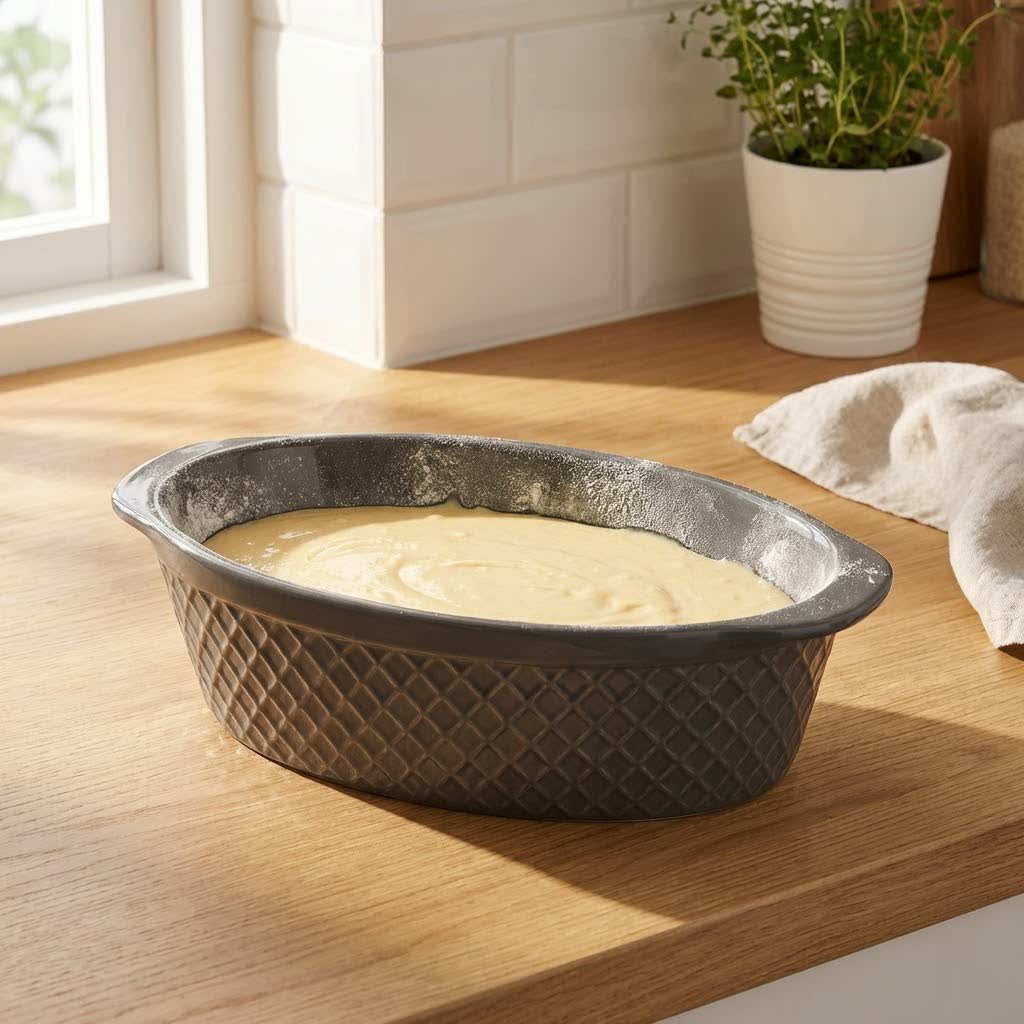
Have you ever wondered why some recipes specify a “light-colored pan” while others don’t? The finish of your baking pan—whether it’s matte or shiny—plays a surprisingly significant role in how your baked goods turn out. Understanding the science behind these differences can transform your baking, helping you achieve everything from perfectly golden cakes to irresistibly crispy cookie edges. This comprehensive guide will delve into the distinct properties of matte and shiny baking pan finishes, their impact on your culinary creations, and how to choose the ideal pan for every baking endeavor.
Understanding the Science: Heat Absorption and Reflection
The fundamental difference between matte and shiny baking pans lies in how they interact with heat inside your oven. Ovens primarily cook food through convection (circulating hot air) and radiation (heat waves directly hitting the food and pan). The surface finish of your pan dictates how much radiant heat it absorbs versus reflects.
Matte finishes, often found on darker or nonstick pans, are designed to absorb more heat. Think of wearing a dark shirt on a sunny day—it gets hotter faster. Similarly, matte pans draw in more infrared radiation from the oven, heating up quickly and intensely. In contrast, shiny finishes, typically seen on lighter-colored aluminum or stainless steel pans, act like tiny mirrors. They reflect radiant heat away, absorbing less and leading to a gentler, more even heat distribution to your baked goods. This critical distinction influences everything from browning and texture to overall cooking time.
Matte Baking Pan Finishes: When Darker is Better
Matte, or darker-colored, baking pans are champions of heat absorption. This property makes them highly effective for achieving deep browning and crisp textures. When you use a matte pan, it heats up more quickly and transfers that heat efficiently to the food, especially the bottom and sides.
Advantages of Matte Pans:
- Superior Browning: They excel at creating a rich, golden-brown crust, making them ideal for dishes where color and crispness are desired.
- Crispier Textures: The intense, direct heat promotes a crispier bottom and edge, perfect for savory dishes.
- Reduced Baking Time: Due to faster heat absorption, food often cooks more quickly, potentially cutting down on overall baking time.
Best Uses for Matte Pans:
Matte pans are your go-to for recipes like:
- Pizza and Focaccia: For a beautifully browned, crisp crust.
- Roasted Vegetables and Potatoes: To achieve caramelized, tender results.
- Crispy-Edged Cookies: If you love a darker, chewier cookie.
- Rustic Breads and Pie Crusts: To develop a sturdy, well-colored bottom.
Potential Drawbacks and Adjustments:
While excellent for certain tasks, the high heat absorption of matte pans can be a double-edged sword. They can cause delicate items, like cakes, to over-brown quickly on the outside before the inside is fully cooked, leading to a dry crust and potentially a domed top. To mitigate this, consider:
- Reducing Oven Temperature: Decrease the oven temperature by 25°F from the recipe’s recommendation.
- Monitoring Baking Time: Check for doneness 10 to 15 minutes before the recipe suggests.
- Using Aluminum Foil or Silicone Mats: Wrapping the outside of a dark pan with aluminum foil can help reflect some heat, and a silicone baking mat can provide a buffer, distributing heat more evenly.
Shiny Baking Pan Finishes: For a Gentle, Even Bake
Shiny baking pans, typically made from light-colored aluminum or stainless steel, are the opposite of their matte counterparts. Their reflective surface minimizes heat absorption, allowing for a more gradual and even baking process.
Advantages of Shiny Pans:
- Even Baking: By reflecting radiant heat, shiny pans prevent hot spots and promote a consistent bake throughout your item.
- Lighter Crusts: They are ideal for achieving delicate, light golden-brown crusts, preventing over-browning.
- Prevents Over-Browning: Perfect for recipes where a soft texture and light color are paramount.
Best Uses for Shiny Pans:
Shiny pans are indispensable for:
- Cakes and Cupcakes: For a tender crumb and light, even color without overly dark edges.
- Delicate Cookies and Muffins: To ensure they bake through gently and don’t become too crisp or dry.
- Custards and Cheesecakes: Where even, slow cooking is crucial to prevent cracking or curdling.
Potential Drawbacks and Adjustments:
The gentler heat of shiny pans means they might not produce the same level of browning or crispness as matte pans. If a recipe calls for a dark pan and you only have a shiny one, and you want more browning, you might need to increase the oven temperature by 25°F or extend the baking time slightly.
Choosing the Right Pan for Your Recipe
The “perfect” pan isn’t a one-size-fits-all solution; it depends entirely on your desired outcome. As a baking technician with over a decade of experience, I’ve seen firsthand how the right pan can elevate a recipe. If you’re aiming for a deep, crisp crust, a matte pan is your ally. For a uniformly baked, tender product with a light golden hue, reach for a shiny one. Most experienced bakers recommend having a selection of both matte and shiny pans in their arsenal to tackle any recipe with confidence.
Table Comparison: Matte vs. Shiny Baking Pan Finishes
| Feature | Matte/Dark Finish | Shiny/Light Finish |
|---|---|---|
| Heat Absorption | High | Low |
| Heat Reflection | Low | High |
| Browning | Faster, more intense | Slower, lighter |
| Baking Evenness | Can be uneven (hotter edges/bottom) | More even |
| Best For | Crispy crusts, roasted items, deep browning (pizza, focaccia, roasted veggies, certain cookies) | Delicate cakes, muffins, light cookies, custards, preventing over-browning |
| Adjustments | Lower oven temp by 25°F, check early, use foil/silicone mat | May need higher temp or longer bake for more browning |
Expert Insights for Adapting Your Baking
“Understanding how your pan’s finish interacts with oven heat is like unlocking a secret level in baking. Don’t be afraid to experiment with temperature and timing adjustments—a slight tweak can make all the difference between a good bake and a truly great one, no matter what pan you own.” – Reviewskr Admin, Baking Technology Specialist
Care and Maintenance of Your Baking Pans
Regardless of their finish, proper care extends the life and performance of your baking pans. Always refer to the manufacturer’s instructions. For most pans, hand washing with warm, soapy water is recommended to preserve nonstick coatings and prevent warping. Avoid abrasive scrubbers or harsh detergents, especially on nonstick surfaces, as these can degrade the finish over time. Ensure pans are thoroughly dried before storage to prevent rust.
Conclusion
The subtle yet significant differences between matte and shiny baking pan finishes have a profound impact on the texture, color, and overall success of your baked goods. Matte pans, with their superior heat absorption, are ideal for achieving crispy, deeply browned results. Shiny pans, conversely, reflect heat for a gentler, more even bake, perfect for delicate items. By understanding these thermal properties and making minor adjustments to your baking process, you can confidently select the right pan for any recipe and consistently achieve professional-quality results. Which finish do you find yourself reaching for most often in your kitchen, and why?
Frequently Asked Questions
Can I use a dark pan instead of a light pan, or vice versa?
|
Our Picks for the Best Baking mold in 2026
As an Amazon Associate I earn from qualifying purchases.
|
||
| Num | Product | Action |
|---|---|---|
| 1 | CAKETIME 12 Cups Silicone Muffin Pan - Nonstick Cupcake Pan 1 Pack Regular Size Silicone Mold for Baking |

|
| 2 | HIWARE 9 Inch Non-stick Cheesecake Pan Springform Pan with Removable Bottom/Leakproof - Black |
|
| 3 | Novery 9.5" Non-stick Cake Pan, Heavy Duty Carbon Steel Fluted Tube Round Baking Pan,Buntz Pound Cake Pan Mold,Tube Bakeware,Baking Mold for Jello,Gelatin,Chocoflan,Flan |
|
| 4 | O’Creme Bakeable Plastic Mini Cake Pan & Jello Mold – Non-Stick Silicone Baking Pan – Reusable Mold For Baking, Desserts and More – 25 QTY Pack |
|
| 5 | Vinino Silicone Mini Loaf Pans with Metal Reinforced Frame-2 Pack, Non-stick Silicone Bread Pan for Baking 8-Cavity, Tiny Banana Bread Set, Dishwasher Safe Brownie Pan-Cream |
|
| 6 | Chicago Metallic Professional 3-Piece Round Cake Pan Set - 6, 8, and 10 Inch Nonstick Carbon Steel Baking Pans, 2 Inches Deep, for Layered Celebration Cakes and Tiered Desserts |
|
| 7 | Palksky (2 Pcs) 8 Cavity Rectangle Granola Bar Silicone Mold/Nutrition/Cereal Bar Molds Energy Bar Maker for Chocolate Truffles Ganache Bread Brownie Cornbread Cheesecake Pudding Butter Mould |
|
| 8 | Amazon Basics Rectangular Nonstick Bread Loaf Pan for Baking Meatloaf with Even Heat Distribution, 9.5 x 5 Inch, Gray, Set of 2 |
|
| 9 | Amazon Basics Nonstick Muffin Pan, Set of 2, Sturdy, Oven Safe, Bakes Evenly, Easy to Clean, 12 Cups, Gray, 13.9x10.55x1.22" |
|
| 10 | RFAQK 100pcs Cake Pan Sets for Baking + Cake Decorating Supplies: 3 Non-Stick Springform Pans Set (4, 7, 9 inches), Icing Tips, Cake Leveler – Multi-functional Leak-Proof CheeseCake Pan & eBook |
|
Yes, you can often substitute one pan type for another, but you’ll need to make adjustments. When using a dark pan in place of a light pan, reduce the oven temperature by 25°F and begin checking for doneness 10-15 minutes earlier. If using a light pan where a dark one is specified, you might need to slightly increase the oven temperature or baking time to achieve desired browning.
Why are my cakes browning too fast in a dark pan?
Dark pans absorb more radiant heat from the oven, leading to faster and more intense browning, especially on the bottom and sides of your cake. This can result in a dark, dry crust while the center may still be undercooked. To prevent this, lower your oven temperature by 25°F and consider lining the pan with parchment paper or wrapping the outside with aluminum foil.
Does the material of the pan matter as much as the finish?
Both material and finish are important. Materials like aluminum conduct heat differently than steel or glass. However, the finish (matte or shiny, which often correlates with color) primarily dictates how the pan absorbs or reflects radiant heat, significantly impacting surface browning and overall bake evenness. A combination of the material’s conductivity and the finish’s emissivity determines the pan’s overall performance.