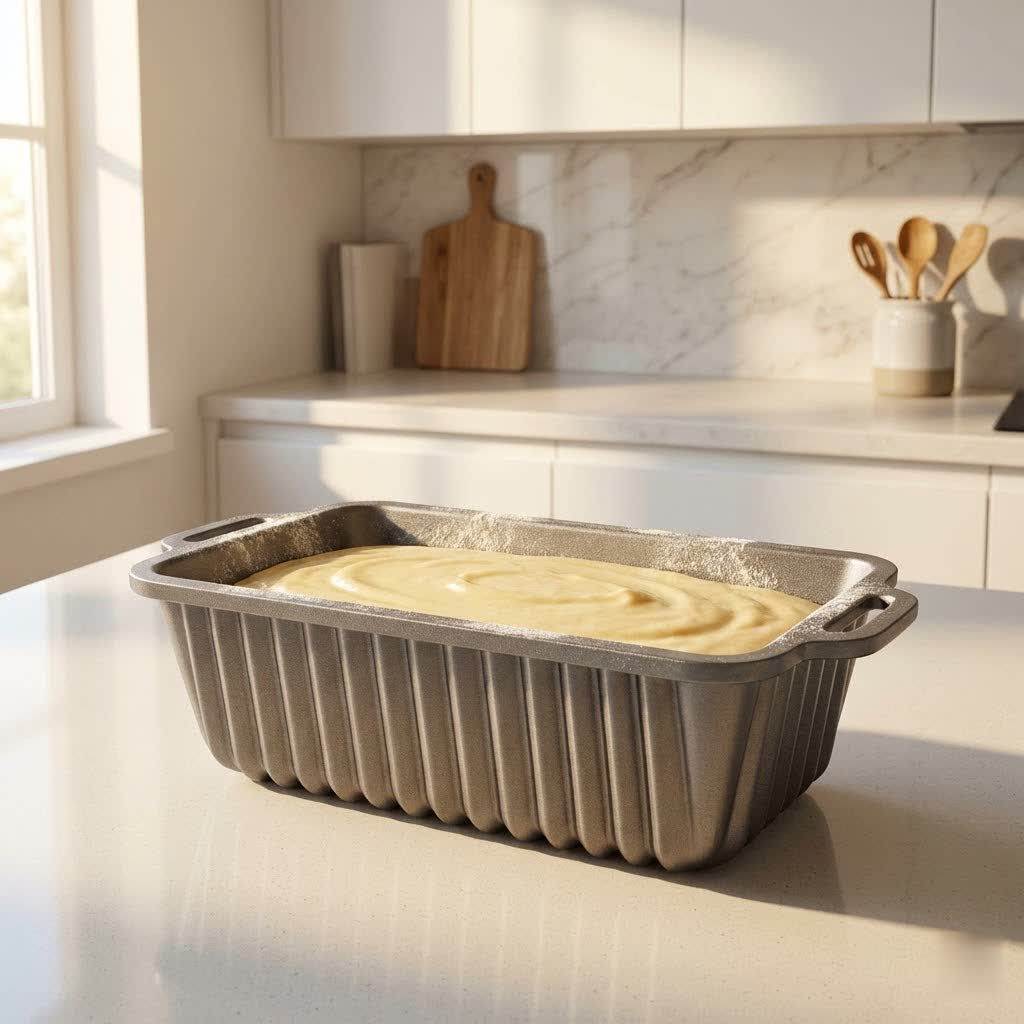
Discovering rust on your beloved metal baking molds can be disheartening. These kitchen staples, often inherited or cherished for their perfect baking results, can seem destined for the trash once corrosion takes hold. However, with the right techniques, many old rusted metal baking molds can be lovingly restored and brought back to life, saving you money and preserving their unique character. This comprehensive guide will walk you through safe, effective DIY methods to remove rust, properly resurface your bakeware, and keep it in pristine condition for years to come.
Understanding Rust on Baking Molds
Rust, or iron oxide, forms when iron or iron alloys (like steel) are exposed to oxygen and moisture. Many common metal baking molds, especially older ones made of cast iron, carbon steel, or mild steel, are susceptible to this natural corrosive process. Aluminum pans, while not rusting, can develop oxidation which appears as dark spots and can also be addressed with similar cleaning methods.
Baking with rusted pans isn’t just aesthetically unappealing; it can pose several concerns. While a small amount of rust is generally not acutely toxic, it can impart an unpleasant metallic taste to your baked goods. More importantly, if highly acidic foods come into direct contact with rust, the acid can dissolve the iron oxide, potentially increasing the heavy metal content in your food. Beyond health considerations, rust creates an uneven surface that negatively impacts heat distribution, leading to inconsistent baking results.
Knowing when to restore and when to replace is crucial. Minor surface rust on solid metal pans, like cast iron or carbon steel, can almost always be safely removed. However, if your metal baking mold exhibits deep pitting, flaking rust, or structural damage, replacement is often the safest option. For non-stick pans, any sign of rust or peeling coating means it’s time to discard them, as the integrity of the non-stick surface is compromised, and the underlying metal can react with food or release harmful chemicals.
“Many home bakers prematurely discard their trusty metal molds. Often, a bit of elbow grease and the right natural cleaners are all it takes to banish rust and extend their baking life significantly.”
DIY Methods for Removing Rust from Metal Baking Molds
Before attempting any rust removal, thoroughly wash your baking mold with warm soapy water to remove any grease or baked-on food residue.
Method 1: The Baking Soda Paste (For Mild Rust)
Baking soda is a mild abrasive and an excellent natural rust remover for lighter corrosion.
- Materials: Baking soda, water, soft brush or non-abrasive scouring pad.
- Steps:
- Wet the rusted baking mold lightly.
- Sprinkle a generous amount of baking soda directly onto the rusty areas.
- Add a small amount of water to create a thick paste, ensuring all rusted spots are covered.
- Let the paste sit on the rust for 30 minutes to an hour. For slightly more stubborn spots, you can leave it longer.
- Using a soft brush or a non-abrasive scouring pad, scrub the rusted areas in circular motions until the rust begins to lift.
- Rinse the mold thoroughly with warm water and dry immediately.
|
Our Picks for the Best Baking mold in 2026
As an Amazon Associate I earn from qualifying purchases.
|
||
| Num | Product | Action |
|---|---|---|
| 1 | CAKETIME 12 Cups Silicone Muffin Pan - Nonstick Cupcake Pan 1 Pack Regular Size Silicone Mold for Baking |

|
| 2 | Palksky (2 Pcs) 8 Cavity Rectangle Granola Bar Silicone Mold/Nutrition/Cereal Bar Molds Energy Bar Maker for Chocolate Truffles Ganache Bread Brownie Cornbread Cheesecake Pudding Butter Mould |
|
| 3 | Amazon Basics Nonstick Muffin Pan, Set of 2, Sturdy, Oven Safe, Bakes Evenly, Easy to Clean, 12 Cups, Gray, 13.9x10.55x1.22" |
|
| 4 | Amazon Basics Rectangular Nonstick Bread Loaf Pan for Baking Meatloaf with Even Heat Distribution, 9.5 x 5 Inch, Gray, Set of 2 |
|
| 5 | HIWARE 9 Inch Non-stick Cheesecake Pan Springform Pan with Removable Bottom/Leakproof - Black |
|
| 6 | Novery 9.5" Non-stick Cake Pan, Heavy Duty Carbon Steel Fluted Tube Round Baking Pan,Buntz Pound Cake Pan Mold,Tube Bakeware,Baking Mold for Jello,Gelatin,Chocoflan,Flan |
|
| 7 | Vinino Silicone Mini Loaf Pans with Metal Reinforced Frame-2 Pack, Non-stick Silicone Bread Pan for Baking 8-Cavity, Tiny Banana Bread Set, Dishwasher Safe Brownie Pan-Cream |
|
| 8 | RFAQK 100pcs Cake Pan Sets for Baking + Cake Decorating Supplies: 3 Non-Stick Springform Pans Set (4, 7, 9 inches), Icing Tips, Cake Leveler – Multi-functional Leak-Proof CheeseCake Pan & eBook |
|
| 9 | Chicago Metallic Professional 3-Piece Round Cake Pan Set - 6, 8, and 10 Inch Nonstick Carbon Steel Baking Pans, 2 Inches Deep, for Layered Celebration Cakes and Tiered Desserts |
|
| 10 | O’Creme Bakeable Plastic Mini Cake Pan & Jello Mold – Non-Stick Silicone Baking Pan – Reusable Mold For Baking, Desserts and More – 25 QTY Pack |
|
Method 2: Vinegar Soaks (For Moderate Rust)
White vinegar’s acetic acid is highly effective at dissolving rust, making it ideal for more stubborn or widespread corrosion.
- Materials: White vinegar, water (optional), large basin or sink, non-abrasive scouring pad or steel wool.
- Steps:
- For light to moderate rust, mix equal parts white vinegar and water in a basin large enough to submerge your baking mold. For more severe rust, you can use undiluted white vinegar.
- Submerge the rusted baking mold completely in the vinegar solution.
- Allow the mold to soak for 1 to 5 hours, depending on the severity of the rust. Check periodically; the rust should soften and begin to wipe away. Do not leave carbon steel or cast iron soaking for too long (e.g., overnight), as the acid can start to damage the metal itself.
- Once the rust has visibly loosened, remove the mold from the vinegar.
- Using a scouring pad or steel wool, scrub off any remaining rust.
- Rinse the mold meticulously with warm water. Ensure all traces of vinegar are gone, as residual acid can lead to new rust formation. Dry immediately.
Method 3: Salt & Lemon Scrub (For Targeted Rust Spots)
The combination of abrasive salt and acidic lemon juice offers another natural way to tackle rust.
- Materials: Coarse salt (such as kosher or sea salt), half a lemon.
- Steps:
- Sprinkle a generous amount of coarse salt directly onto the rusted areas of your baking mold.
- Take a halved lemon and use its cut side to scrub the salt into the rust. The lemon’s acidity works with the salt’s abrasiveness to break down the corrosion.
- Continue scrubbing until the rust disappears.
- Rinse the mold thoroughly with warm water and dry immediately.
Method 4: Abrasive Scrubbing (For Stubborn Rust)
For deeply ingrained or thick rust, more aggressive mechanical action may be necessary.
- Materials: Steel wool, sandpaper (medium to fine grit), Bar Keeper’s Friend (optional).
- Steps:
- For very stubborn spots, start with steel wool or a medium-grit sandpaper (around 100-150 grit). Gently but firmly scrub the rusted areas until the bare metal is exposed.
- If using sandpaper, follow up with a finer grit (220-400 grit) to smooth the surface.
- Alternatively, Bar Keeper’s Friend, a common household cleaner containing oxalic acid, can be used with a scouring pad to tackle tough rust and stains. Follow the product instructions carefully.
- After mechanical scrubbing, wash the mold thoroughly with soap and water to remove any rust particles or abrasive residue.
- Rinse completely and dry immediately.
Resurfacing & Seasoning Your Metal Baking Molds
Once rust is successfully removed, cast iron and carbon steel molds require immediate seasoning to create a protective, non-stick surface and prevent future rust. This process involves baking thin layers of oil onto the metal.
- Clean and Dry Thoroughly: After rust removal, wash the mold with warm soapy water one last time to ensure no rust particles or cleaning agents remain. Dry the mold completely. You can place it in a preheated oven at 200°F (95°C) for 10-15 minutes to ensure all moisture evaporates.
- Apply a Thin Coat of Oil: Once the mold is dry and slightly warm, apply a very thin layer of a high smoke point cooking oil (such as vegetable oil, canola oil, flaxseed oil, or solid vegetable shortening like Crisco) to all surfaces – inside, outside, and handle. Use a paper towel to rub the oil in, then use a clean paper towel to wipe off as much excess oil as possible. The goal is a molecularly thin layer, not a visible sheen. Too much oil will result in a sticky, gummy finish.
- Bake the Mold:
- Preheat your oven to 450-500°F (232-260°C).
- Place the oiled mold upside down on an oven rack. Place aluminum foil or a baking sheet on the rack below to catch any oil drips.
- Bake for 1 to 2 hours. During this time, the oil will polymerize, forming a hard, protective layer.
- Turn off the oven and allow the mold to cool completely inside the oven. This slow cooling helps the seasoning adhere.
- Repeat for Best Results: For a truly durable and non-stick finish, repeat the oiling and baking process at least 2-3 times, or even more for heavily rusted or newly restored molds. Each layer builds upon the last, creating a robust seasoning.
Maintaining Your Resurfaced Baking Molds to Prevent Future Rust
Proper maintenance is key to keeping your restored metal baking molds in excellent condition and preventing rust from returning.
- Avoid the Dishwasher: The harsh detergents and prolonged moisture in dishwashers strip away seasoning and promote rust. Always hand-wash metal baking molds.
- Gentle Cleaning: After each use, wash with warm water and a mild dish soap (for cast iron/carbon steel, many prefer to avoid soap once seasoned, using only hot water and a brush/scraper).
- Dry Immediately and Completely: This is the most critical step. After washing, towel dry the mold thoroughly. For extra assurance, place it in a warm oven (e.g., 200°F/95°C) for 5-10 minutes to evaporate any residual moisture.
- Light Oiling (for Cast Iron/Carbon Steel): After drying, apply another very thin layer of cooking oil, especially for cast iron and carbon steel. This helps maintain the seasoning and provides a barrier against moisture.
- Proper Storage: Store your molds in a dry environment. If stacking, place a paper towel or cloth between them to absorb any moisture and prevent scratches.
Expert Tips for Baking Mold Longevity
To truly extend the life of your baking molds, consider these insights:
- “Regular, consistent care is far more effective than sporadic deep cleaning. Think of seasoning and drying as a continuous protective ritual for your metal bakeware.”
- Always preheat your metal molds properly to ensure even baking and prevent food from sticking, reducing the need for aggressive scrubbing.
- Avoid using metal utensils directly on seasoned or coated surfaces to prevent scratches that can lead to rust.
Buying Guide: When to Buy New vs. Resurface
Deciding whether to restore an old baking mold or invest in a new one depends on several factors:
- Material and Damage:
- Cast Iron/Carbon Steel: These are prime candidates for resurfacing, even with significant rust, as the metal itself is durable and designed to be re-seasoned.
- Mild Steel/Tin-Plated Steel: Can often be saved if rust is superficial. Deep rust that eats into the metal may mean it’s time to replace.
- Non-Stick Coatings: If rust appears on a non-stick pan, it’s a clear sign the coating is compromised. Replace these immediately.
- Severity of Rust: Is the rust just surface-level discoloration, or is it deeply pitted and flaking? Deep pitting indicates structural compromise that might not be fully recoverable.
- Time and Effort: DIY resurfacing takes time and effort. Weigh this against the cost of a new pan. Sometimes, a high-quality new pan offers better long-term value than extensive restoration of a cheap, heavily damaged one.
- Food Safety: When in doubt about the pan’s safety after restoration, especially if rust persists or returns quickly, it’s always safer to replace.
Conclusion
Restoring old rusted metal baking molds is a rewarding process that breathes new life into cherished kitchen tools. By understanding the nature of rust and employing simple, food-safe DIY methods like baking soda pastes, vinegar soaks, or abrasive scrubbing, you can effectively eliminate corrosion. For cast iron and carbon steel, proper re-seasoning is the vital next step, creating a durable, non-stick surface. With diligent maintenance, including thorough drying and regular oiling, your revitalized metal baking molds can continue to produce delicious baked goods for many more years. So, before you discard that seemingly lost treasure, consider the satisfaction of bringing it back from the brink – what culinary adventures will your restored mold inspire next?
Frequently Asked Questions
Is it safe to bake with a slightly rusty pan?
While small amounts of rust (iron oxide) are generally not harmful if ingested, it’s not ideal. Rust can impart a metallic taste to food, and acidic ingredients can cause more iron to leach into your baked goods. For safety and best baking performance, it’s always recommended to remove all rust and properly season metal baking molds before use.
What kind of oil should I use to season my baking mold?
For seasoning cast iron or carbon steel baking molds, choose high smoke point oils. Popular choices include vegetable oil, canola oil, grapeseed oil, flaxseed oil, or solid vegetable shortening (like Crisco). Apply a very thin layer to achieve the best polymerization and a smooth, non-stick surface.
Can I resurface non-stick baking molds?
No, non-stick baking molds with rust or damaged coatings should never be resurfaced. Once the non-stick coating is compromised, it can begin to flake or release harmful chemicals into your food. These pans should be replaced immediately for your health and safety.